

 English
 Français
 Español
 Deutsch
 日本語
日本語

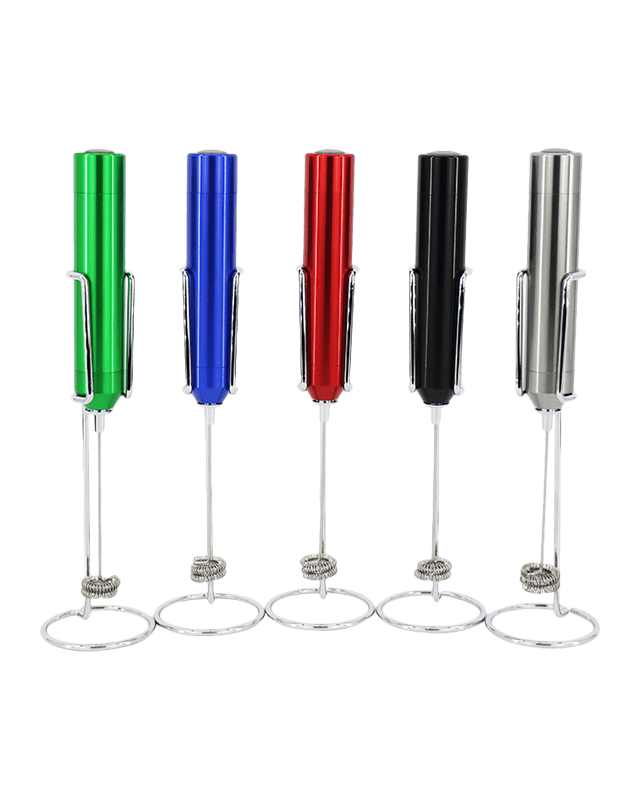
The exterior finish of an automatic milk frother depends on the model and price tier: budget to mid-range models typically use a painted or powder-coated finish, while premium models favor brushed stainless steel. Both finishes are found across major brands, but they differ significantly in durability, maintenance, aesthetics, and long-term value. Knowing the difference helps you choose an automatic milk frother that holds up to daily kitchen use — not just one that looks good in the store.
What Brushed Stainless Steel Means on an Automatic Milk Frother
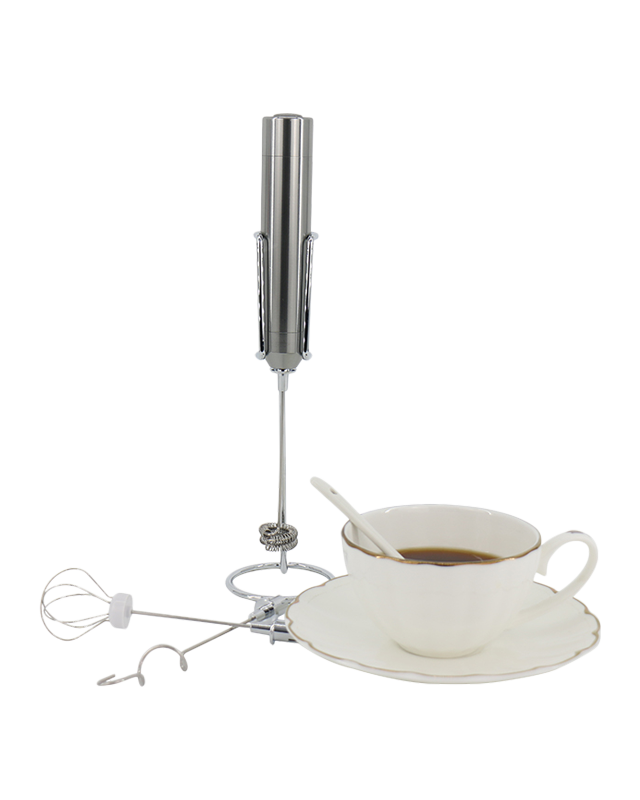
A brushed stainless steel finish is created by mechanically abrading the steel surface in one direction, producing fine parallel lines that give the metal a matte, textured appearance. On an automatic milk frother, this finish is typically applied to 18/8 or 304-grade stainless steel, which contains approximately 18% chromium and 8% nickel for corrosion resistance.
The brushed texture serves both aesthetic and practical purposes. It diffuses light evenly, reducing the visibility of fingerprints and minor scratches — a meaningful advantage for a kitchen appliance handled multiple times daily. Unlike a mirror-polished finish, brushed steel on an automatic milk frother tends to age gracefully rather than show obvious wear.
Well-known examples of automatic milk frothers with brushed stainless steel exteriors include:
- Breville BMF600XL Milk Café — full brushed stainless steel body
- Smeg MFF11 — stainless steel exterior with retro styling
- Jura HP2 — premium stainless housing designed for longevity
These models are typically priced between $60 and $150+, reflecting the higher material and manufacturing cost associated with genuine stainless steel construction.
What Painted or Powder-Coated Finishes Look Like in Practice
Painted finishes on an automatic milk frother are applied over a plastic or lower-grade metal base. Powder coating — a more durable variant — involves applying dry powder electrostatically and then curing it under heat to form a hard shell. Standard liquid paint, by contrast, is simply sprayed and dried.
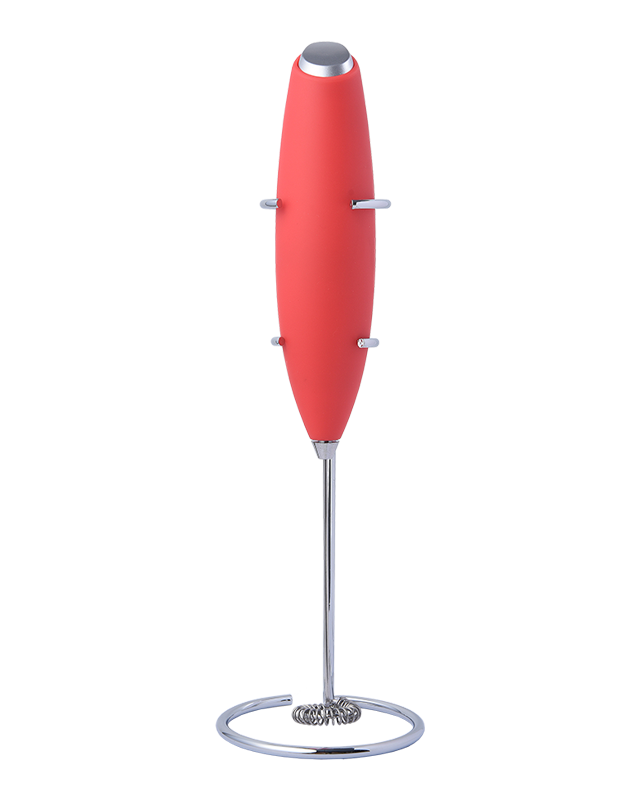
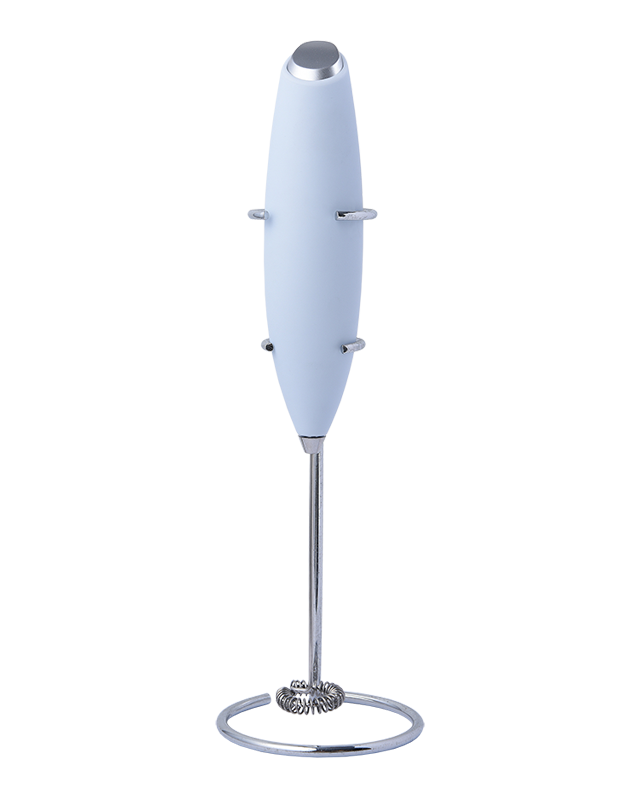
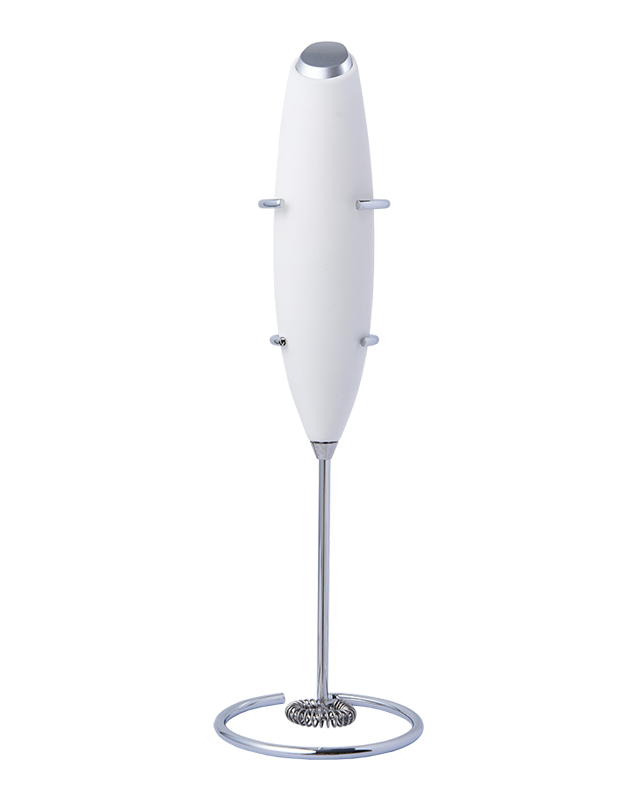
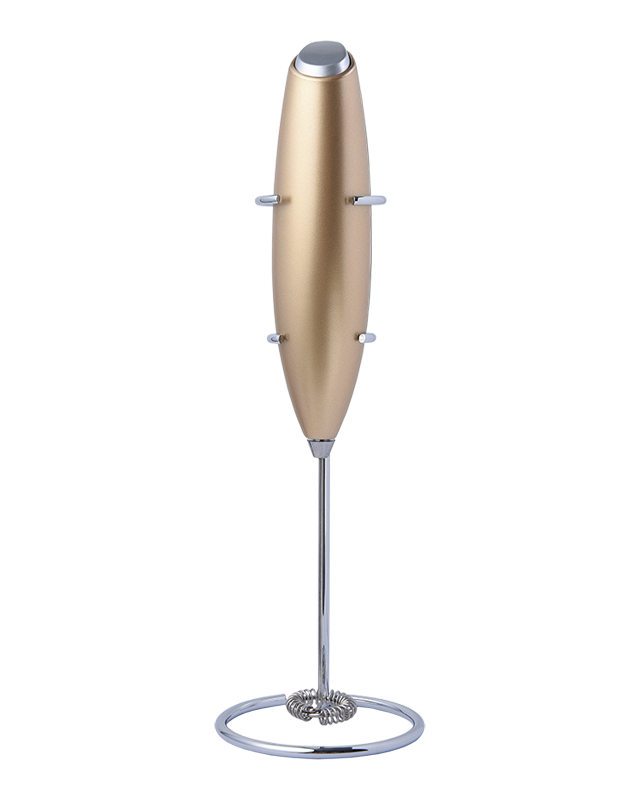
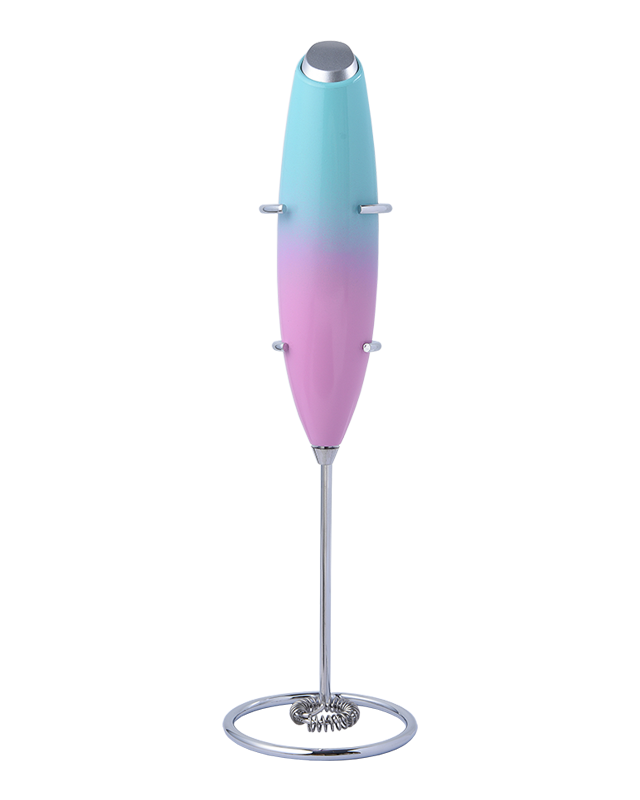
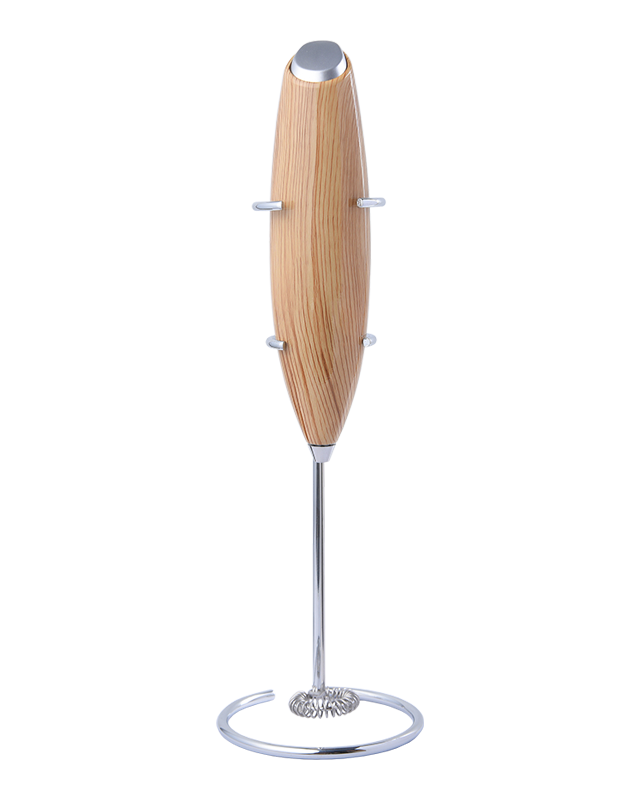
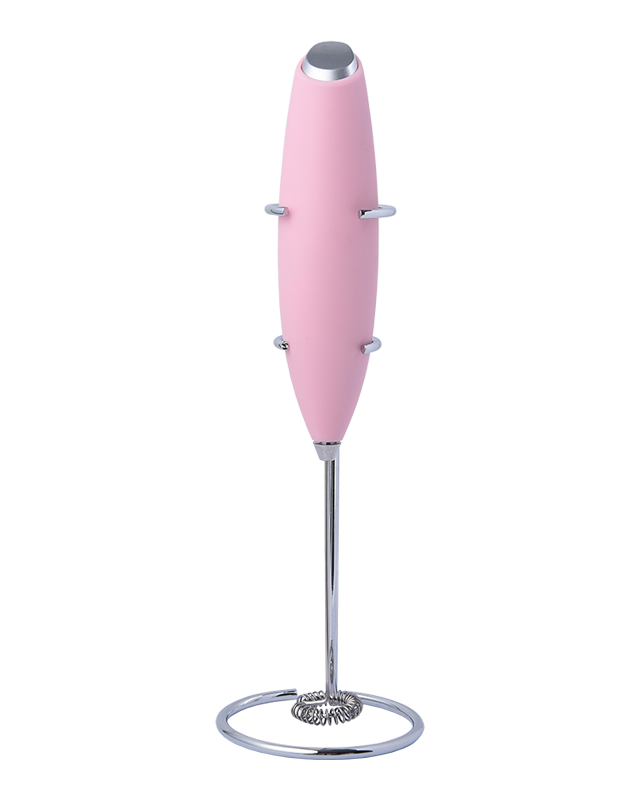
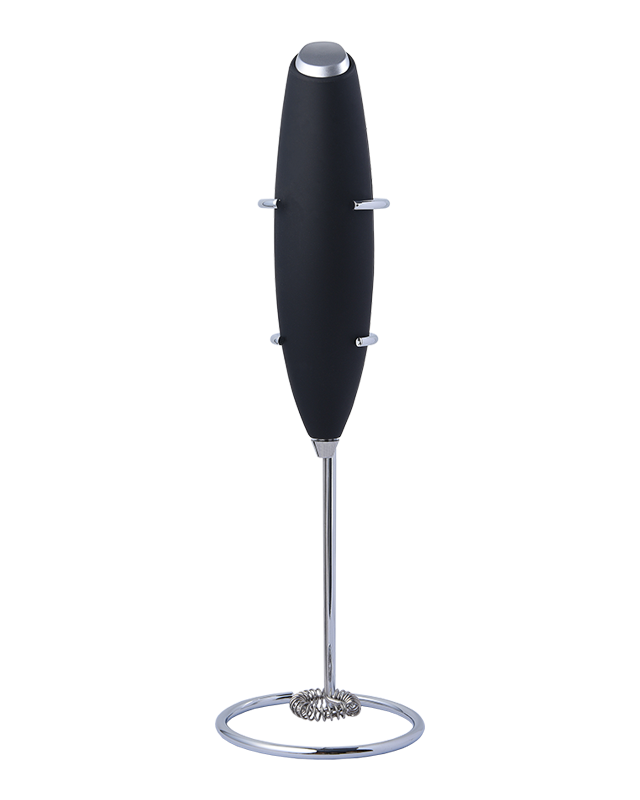
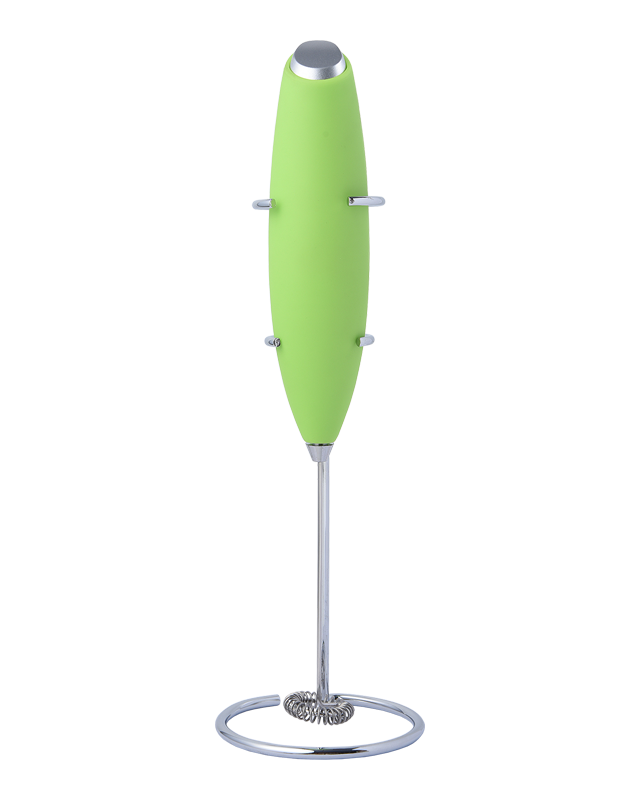
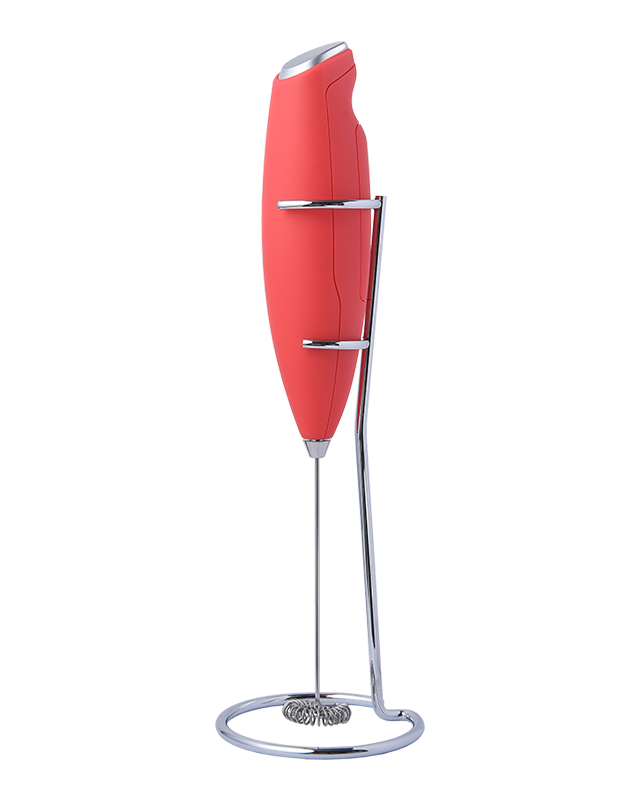
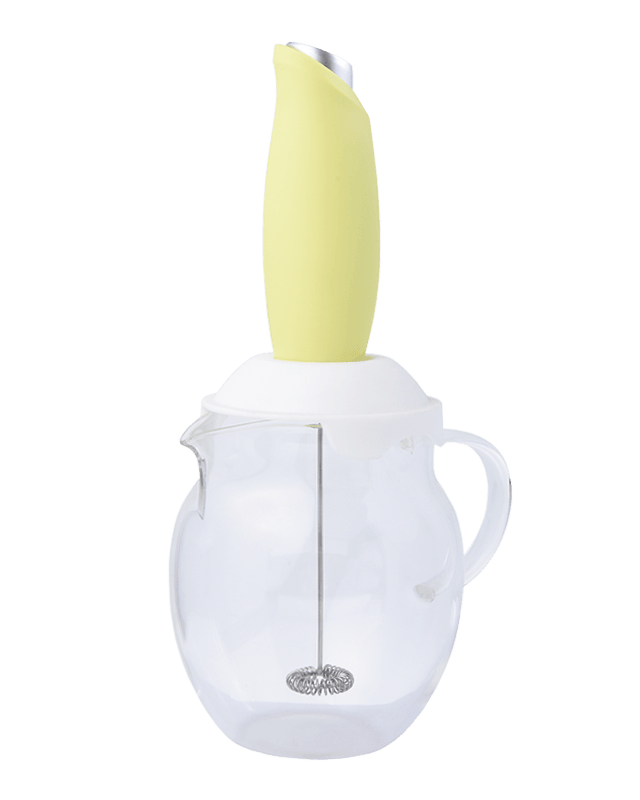
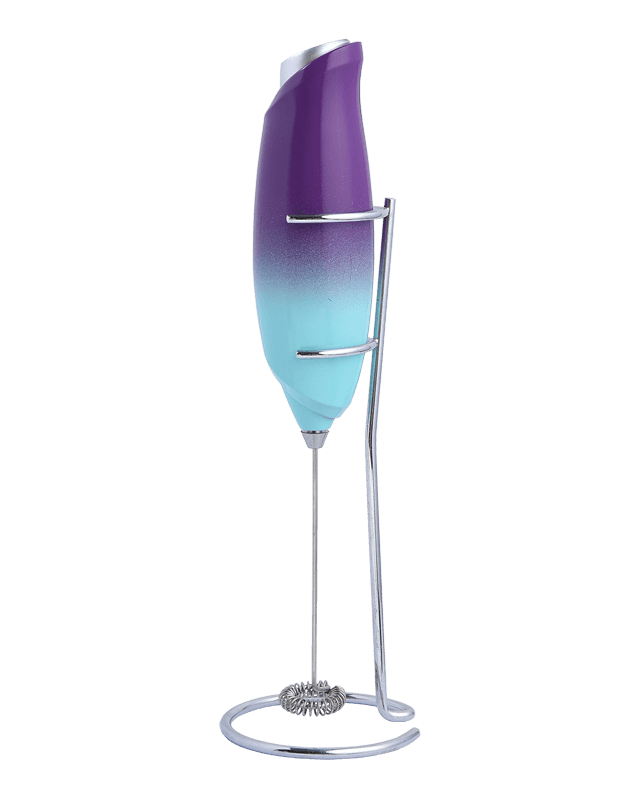
Painted automatic milk frother models are widely available in a broader color palette — matte black, glossy white, pastel tones — making them attractive for color-coordinated kitchen setups. Brands like Nespresso (Aeroccino 3 and 4) and Bodum use painted or coated plastic exteriors to keep costs low while maintaining a clean visual appearance.
The trade-off becomes visible over time:
- Paint chips are common after 6–12 months of daily use, especially around the base and handle contact points
- Glossy painted surfaces show fingerprints and water marks more readily than brushed steel
- Powder-coated finishes are more impact-resistant than standard paint but still weaker than raw stainless steel
- Once the coating chips, the exposed base material on a plastic-body frother cannot be refinished
Brushed Stainless Steel vs Painted Coating: Side-by-Side Comparison
The table below compares both exterior finish types across the criteria that matter most to automatic milk frother users:
| Criteria | Brushed Stainless Steel | Painted / Powder Coating |
|---|---|---|
| Scratch Resistance | High — texture hides minor scratches | Low to moderate — chips visibly |
| Fingerprint Visibility | Low (matte texture diffuses marks) | High on gloss; moderate on matte |
| Corrosion Resistance | Excellent (chromium layer) | Moderate — degrades if coating chips |
| Color Options | Limited (silver/gunmetal tones) | Wide range |
| Lifespan | 5–10+ years | 2–4 years before visible wear |
| Cleaning Ease | Easy — wipe with damp cloth | Moderate — avoid abrasive pads |
| Heat Tolerance | Excellent | Moderate — paint may discolor near heat |
| Price Range | $60–$150+ | $15–$60 |
How Exterior Finish Affects Daily Cleaning and Hygiene
The exterior of an automatic milk frother regularly comes into contact with steam, milk drips, and wet hands. This makes surface integrity a hygiene issue, not just an aesthetic one.
Brushed stainless steel is non-porous, meaning bacteria and milk residue cannot penetrate the surface. A simple wipe with a damp microfiber cloth removes nearly all surface contamination. The fine directional lines in the brushed finish act as a guide for wiping — cleaning along the grain removes residue efficiently without spreading it.
Painted finishes, especially once chipped, create micro-cavities where milk proteins and moisture accumulate. This is particularly problematic in kitchen environments with high humidity. Over time, these cavities can harbor odors and, in worst cases, mold — especially if the automatic milk frother is stored near a steam source such as an espresso machine.
Recommended cleaning methods by finish type:
- Brushed stainless steel: Wipe along the grain with a damp cloth; use diluted white vinegar for mineral deposits
- Matte painted finish: Soft damp cloth only; avoid scrubbing pads that accelerate paint wear
- Glossy painted finish: Microfiber cloth to avoid fine scratches; dry immediately after wiping
- Powder-coated finish: Mild soap solution is safe; avoid prolonged water contact at chipped edges
Does the Exterior Finish Affect Heat Dissipation or Safety?
This is a practical question that many buyers overlook. An automatic milk frother generates internal heat during each frothing cycle, and the exterior surface temperature can rise noticeably — especially on compact models with limited insulation between the heating element and the outer shell.
Stainless steel conducts heat better than painted plastic, which means a brushed stainless steel automatic milk frother may feel warmer to the touch during operation. However, this also means heat is distributed more evenly across the surface rather than concentrating in one spot — reducing the risk of localized overheating.
Painted plastic exteriors insulate heat more effectively, keeping the outer surface cooler to the touch. This can be a safety advantage in households with young children. However, trapped heat inside a plastic-body automatic milk frother may accelerate internal component wear over time, particularly around the motor housing.
Spotting the Difference When Shopping: Real Steel vs Steel-Look Paint
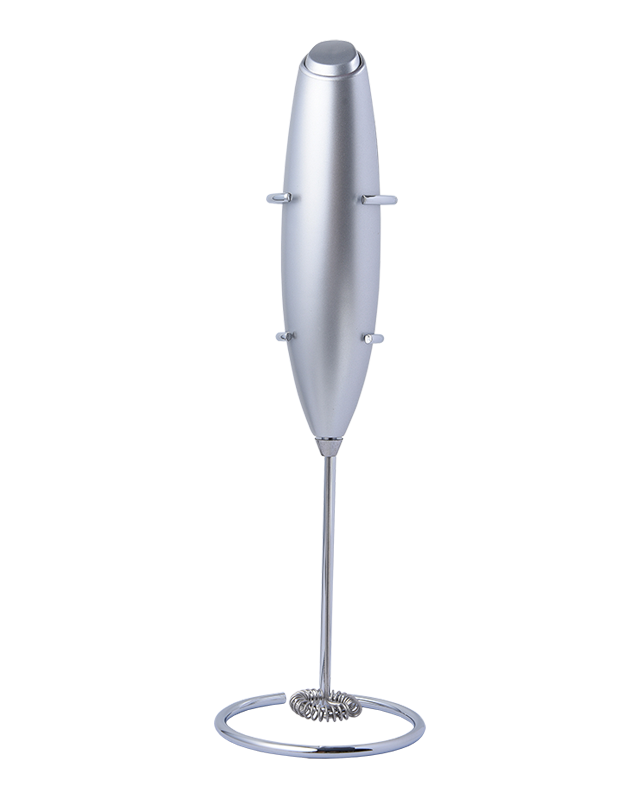
A growing number of automatic milk frother models use silver or metallic-look paint over a plastic body to mimic the appearance of brushed stainless steel at a lower cost. This can mislead buyers who assume the finish is genuine metal. Here is how to tell them apart:
- Weight check: A genuine stainless steel automatic milk frother body is noticeably heavier than a plastic equivalent of the same size.
- Tap test: Tap the exterior — stainless steel produces a solid, resonant sound; plastic gives a hollow knock.
- Magnet test: 304 stainless steel is weakly magnetic; a strong magnet will have little to no attraction. Painted steel may attract more strongly depending on the base alloy.
- Product specs: Look for explicit mentions of "stainless steel housing" or "304 steel body" — terms like "stainless steel finish" or "metallic design" often indicate paint over plastic.
- Edge inspection: On genuine brushed stainless steel, the grain runs consistently to the edge; on painted imitations, the metallic effect often fades or changes direction at seams.
The best exterior finish depends on how you use and maintain your automatic milk frother. Here is a practical guide:
- Daily heavy use / long-term investment: Choose brushed stainless steel — it outlasts paint finishes by years and requires minimal upkeep
- Kitchen color matching: Painted models offer more variety — opt for powder-coated over standard paint for better durability
- Households with children: Painted plastic exterior stays cooler during operation — a safer surface for accidental contact
- Professional or café use: Brushed stainless steel only — hygiene standards and durability requirements eliminate painted options
- Budget buyers: A powder-coated automatic milk frother in the $25–$45 range offers a reasonable middle ground between cost and durability
Ultimately, the exterior finish of your automatic milk frother is more than a cosmetic choice. It signals the overall build quality of the appliance, affects how easy it is to keep clean, and determines how well it holds up over hundreds of daily frothing cycles. Investing in genuine brushed stainless steel — even at a higher upfront cost — typically delivers better total value over a 3–5 year ownership period compared to a painted model that begins showing wear within the first year.