

 English
 Français
 Español
 Deutsch
 日本語
日本語

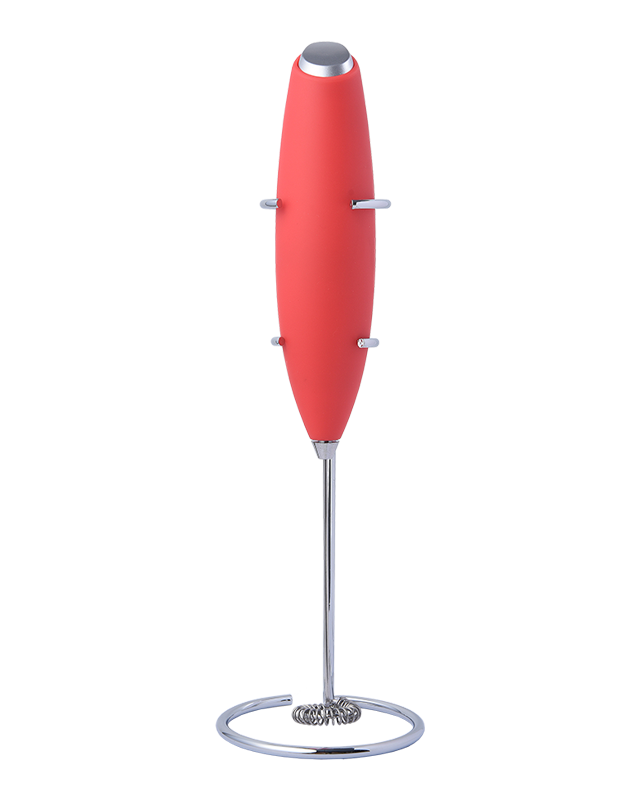
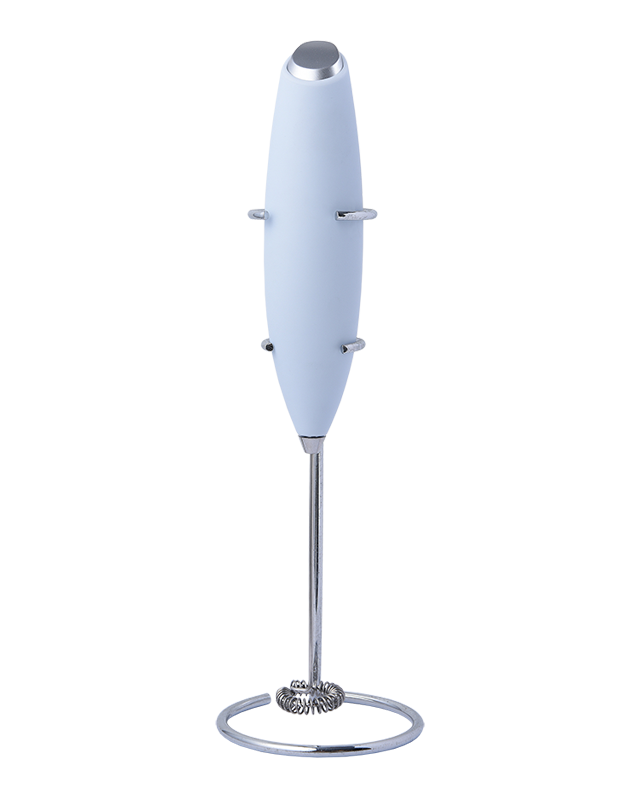
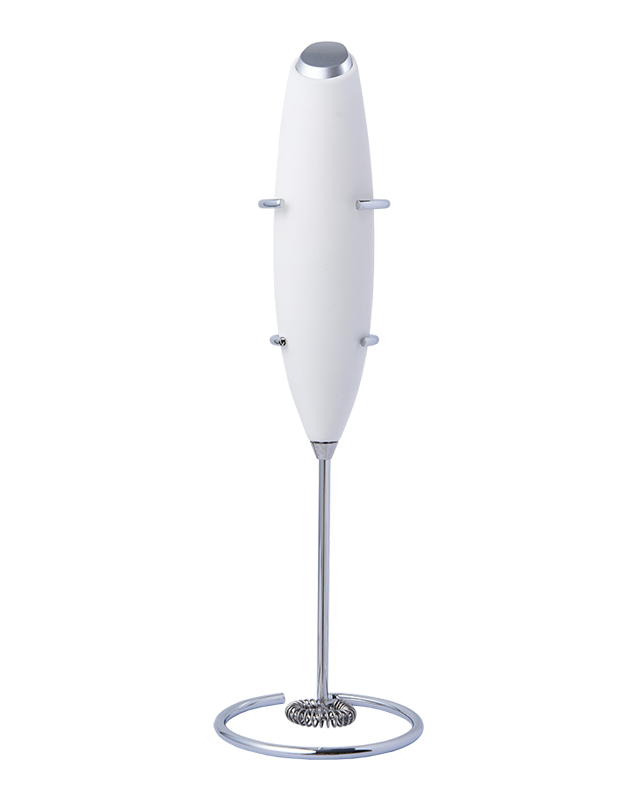
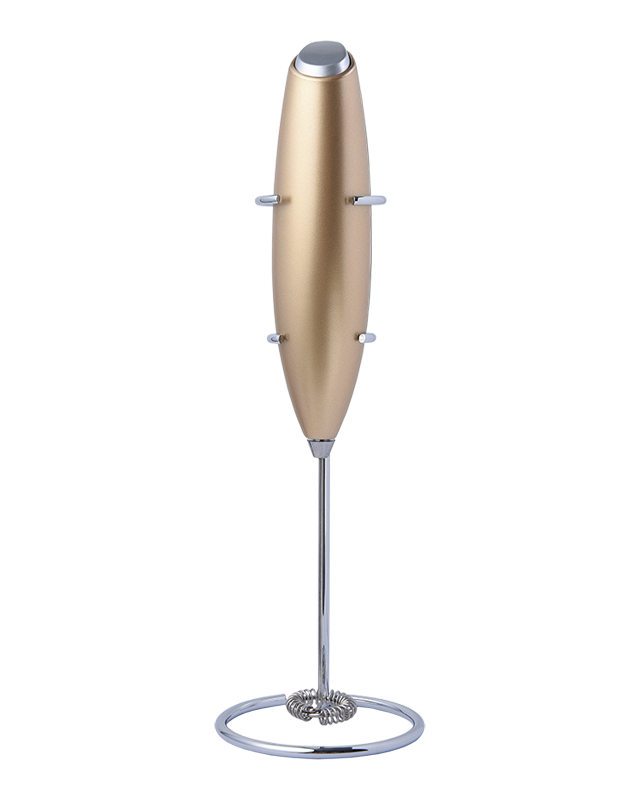
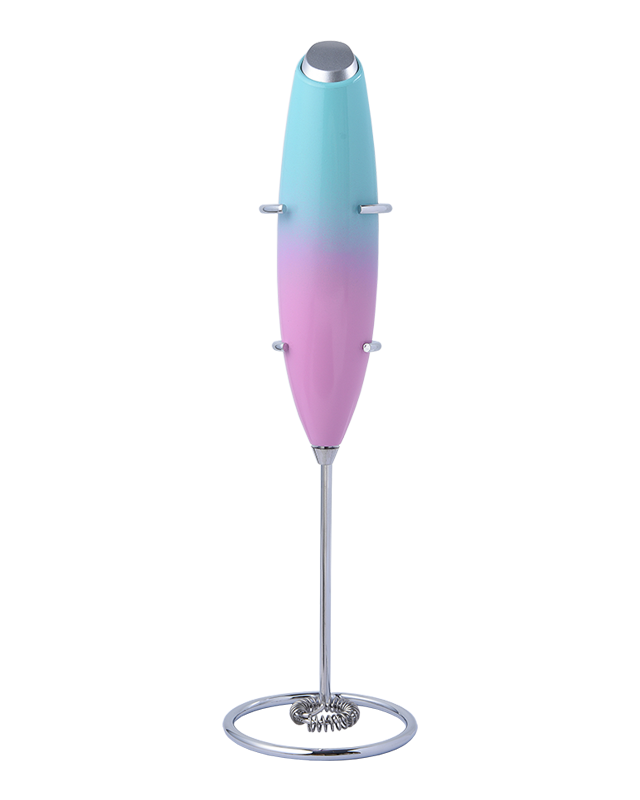
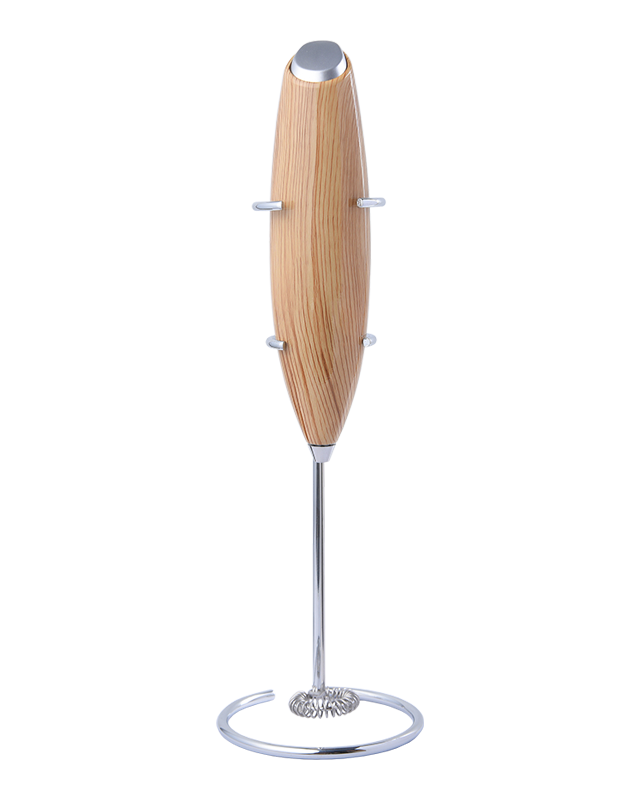
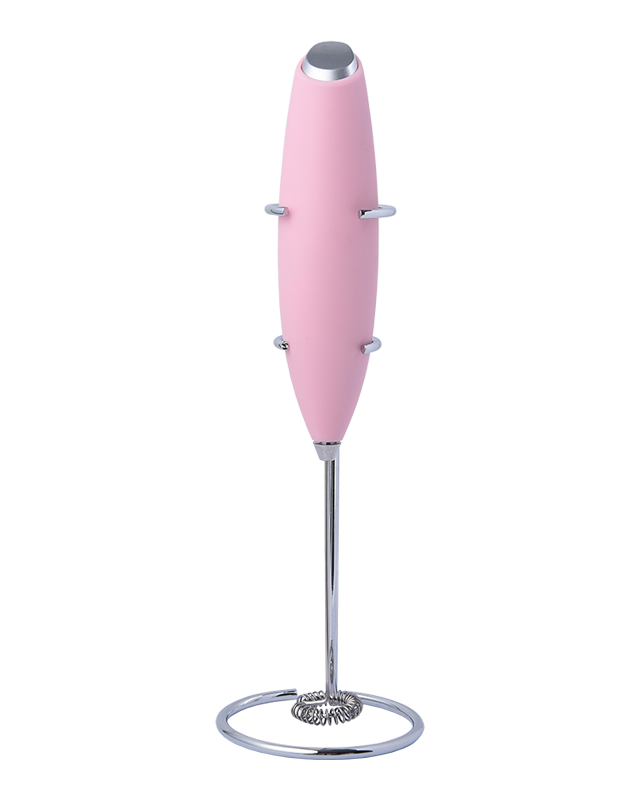
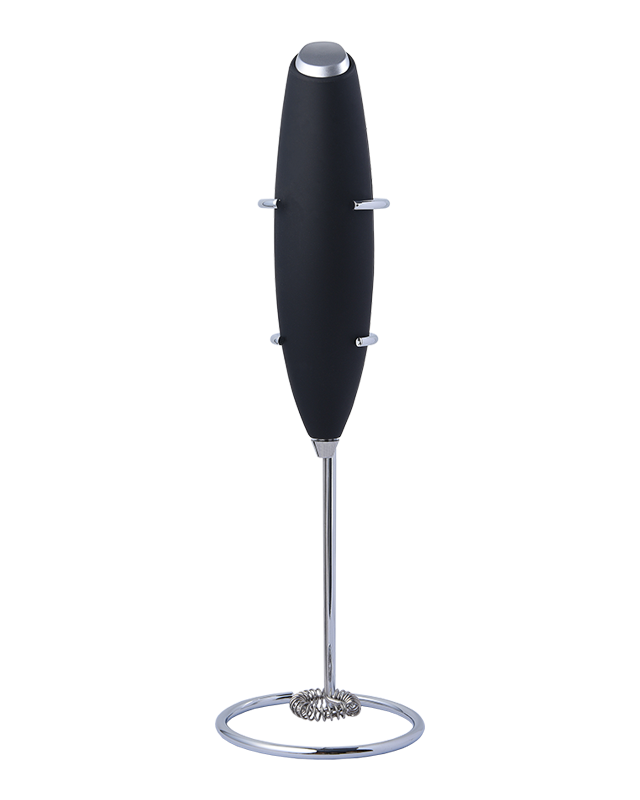
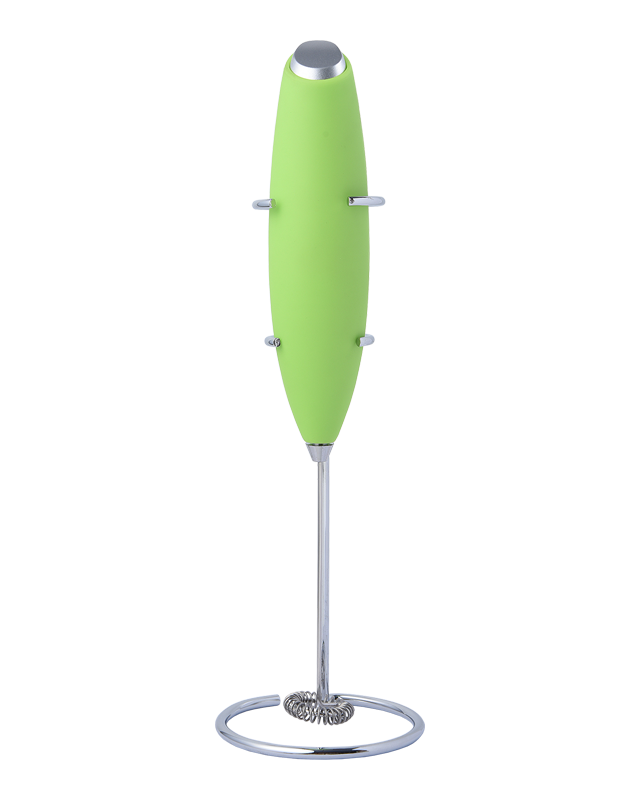
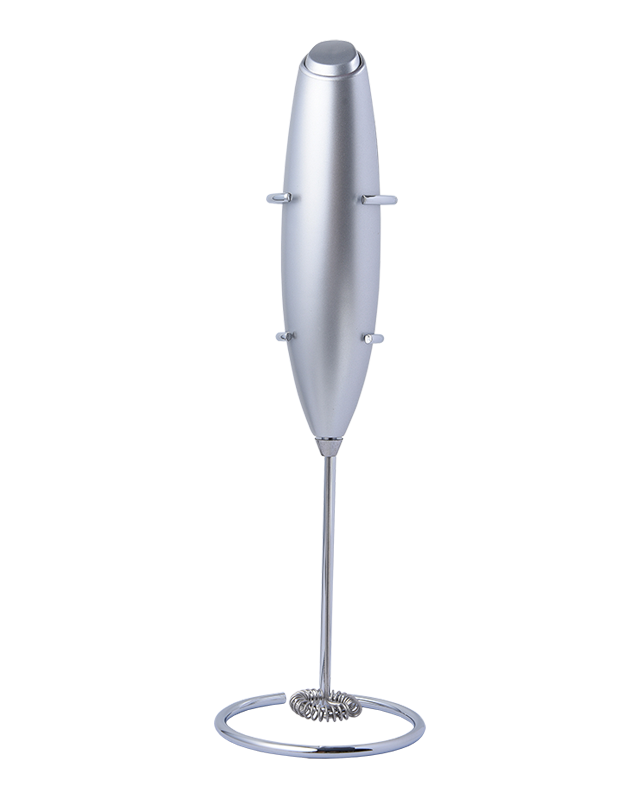
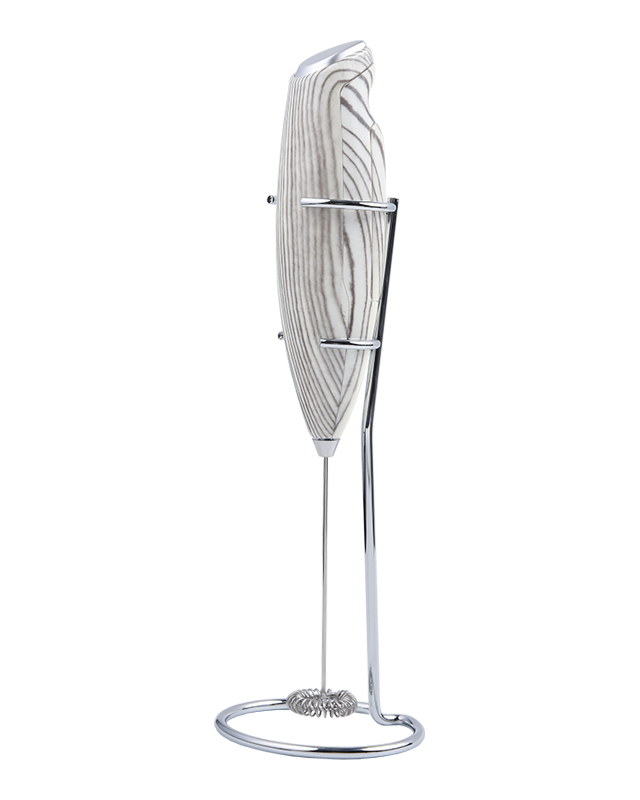
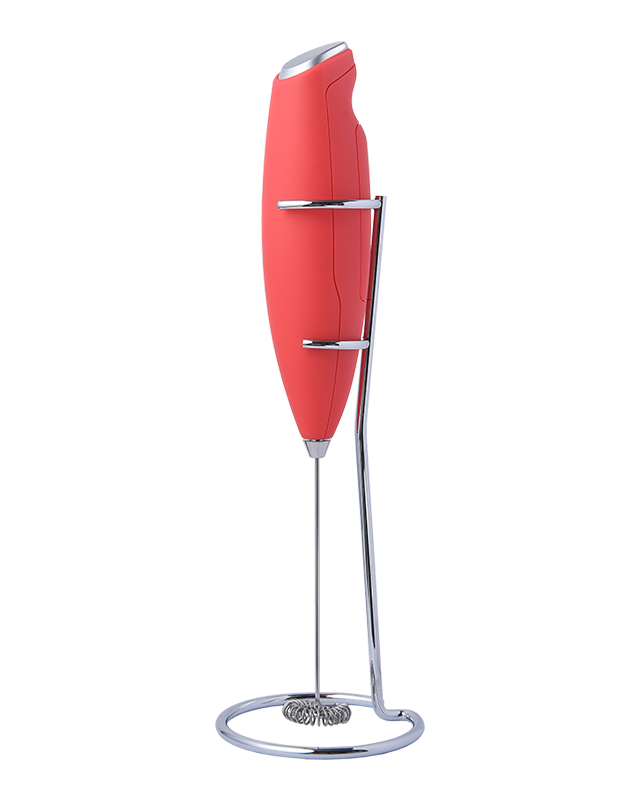
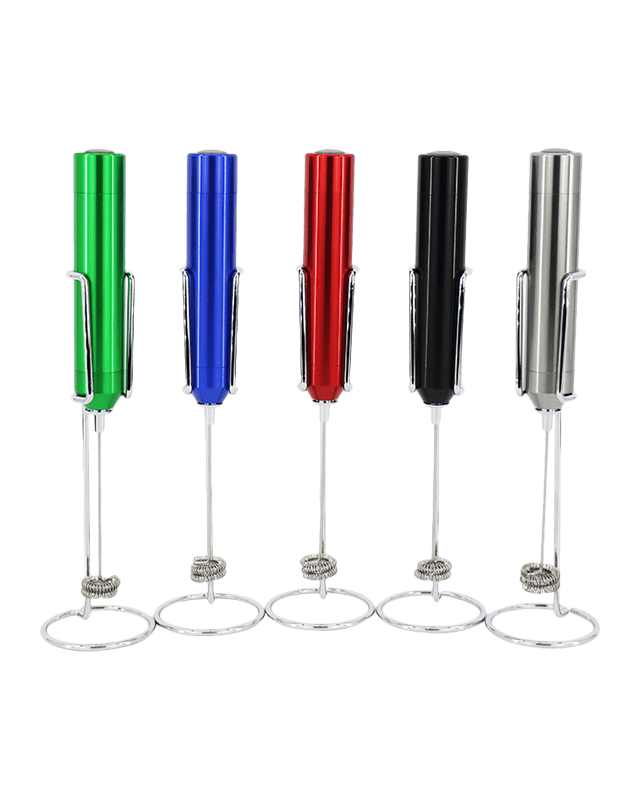
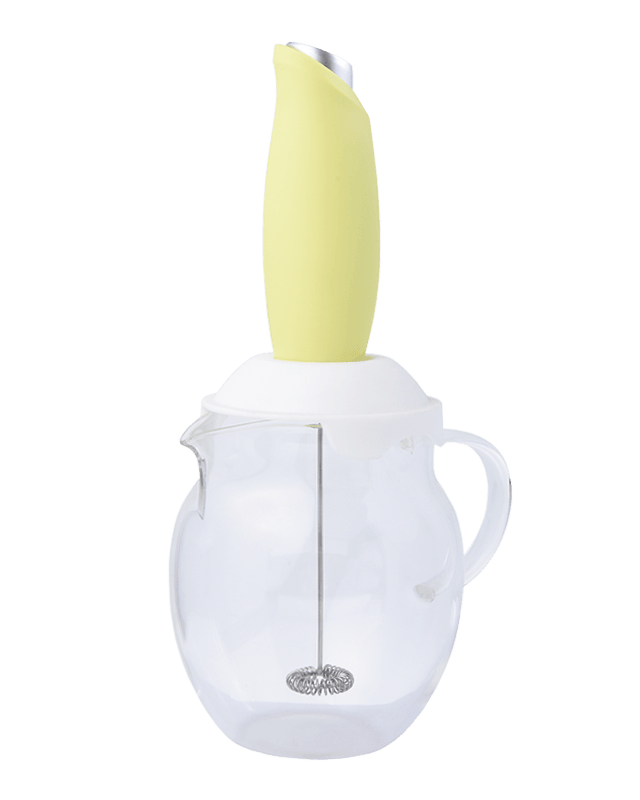
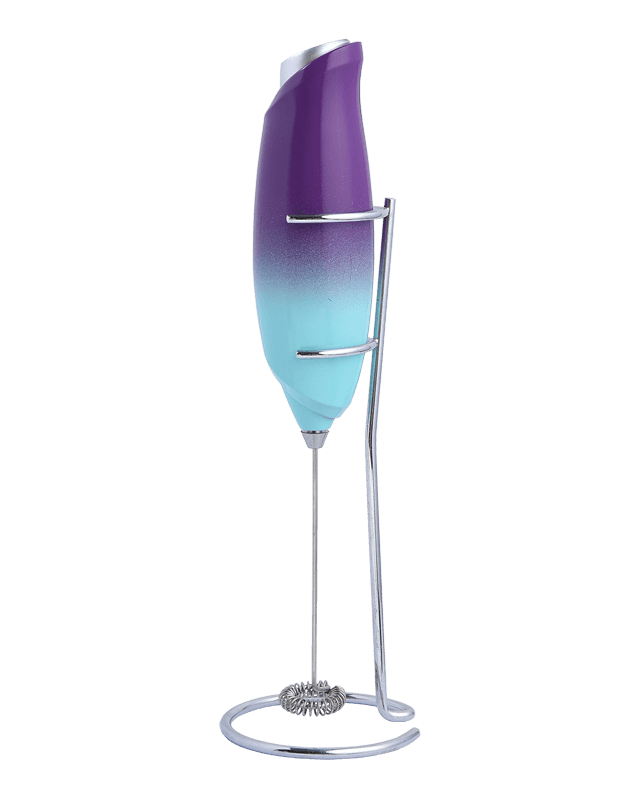
The Coffee Foam Mixer is far more versatile than its name suggests. While it is most commonly associated with frothing milk for espresso-based drinks, a Coffee Foam Mixer can be effectively used to prepare a wide range of hot and cold beverages, from matcha lattes and hot chocolate to protein shakes and powdered drink mixes. The device's core function — rapidly aerating and emulsifying liquids — applies to virtually any drink that benefits from a smooth, frothy, or well-blended texture. This article explores each application in detail, along with practical tips and the attachments that can extend your Coffee Foam Mixer's usefulness even further.
Matcha Lattes: One of the Best Non-Coffee Uses for a Coffee Foam Mixer
Matcha powder is notoriously difficult to dissolve. It clumps easily in liquid due to its fine, hydrophobic particle structure, and traditional bamboo whisks (chasen) require significant effort to achieve a smooth consistency. A Coffee Foam Mixer solves this problem in seconds.
To prepare a matcha latte using a Coffee Foam Mixer, sift 1 to 2 grams of ceremonial-grade matcha powder into a small amount of hot water (around 70°C / 158°F — never boiling, as temperatures above 80°C degrade matcha's flavor compounds). Run the Coffee Foam Mixer for 20 to 30 seconds until a smooth, slightly frothy paste forms, then add steamed or frothed milk. The result is a lump-free, vibrant green matcha latte with a texture comparable to café-prepared versions.
For iced matcha lattes — increasingly popular in specialty beverage culture — the Coffee Foam Mixer disperses the matcha paste evenly before pouring over ice, preventing the powdery sediment layer that forms when matcha is simply stirred by hand.
Hot Chocolate and Drinking Chocolate: Achieving a Velvety, Café-Style Finish
A Coffee Foam Mixer dramatically improves the texture of hot chocolate by emulsifying the cocoa fat and solids evenly throughout the liquid, creating a rich, silky consistency that simple stirring cannot achieve. This is particularly effective with high-fat, artisan drinking chocolate powders or couverture chocolate shavings dissolved in warm milk.
Using a Coffee Foam Mixer on hot chocolate at 60°C to 65°C (140°F to 150°F) for approximately 15 to 20 seconds incorporates a light layer of foam on the surface while fully integrating any undissolved solids. This technique is standard practice in European-style chocolate cafés where texture is considered as important as flavor.
For a richer result, add a small amount of heavy cream to the milk before frothing — the Coffee Foam Mixer will emulsify the cream into a dense, luxurious topping similar to a Vienna-style hot chocolate.
Protein Shakes and Powdered Supplements: Eliminating Clumps Efficiently
One of the most practical everyday uses of a Coffee Foam Mixer outside of the kitchen is mixing protein powders, collagen supplements, creatine, and other powdered nutritional supplements into water or milk. Shaker bottles can leave undissolved clumps at the bottom, especially with thicker whey or casein protein concentrates.
A Coffee Foam Mixer operating at its standard speed — typically between 12,000 and 19,000 RPM in quality handheld models — disperses protein powder in under 30 seconds, producing a smooth, uniform drink without the need for a bulky blender. This makes it especially convenient for gym use, office settings, or travel, where a full blender is impractical.
Important note: use a tall glass or shaker cup rather than a shallow mug when mixing protein shakes with a Coffee Foam Mixer, as the high-speed whisk can cause splashing if the liquid surface is too close to the rim.
Turmeric Lattes, Chai, and Wellness Drinks: Blending Spiced Powders Smoothly
Turmeric (golden milk) lattes and spiced chai blends involve multiple powdered spices — turmeric, ginger, cinnamon, black pepper — that resist dissolving in liquid without vigorous agitation. A Coffee Foam Mixer handles these preparations with ease, producing a smooth, evenly spiced drink in under 30 seconds.
The fat in milk also helps bind fat-soluble compounds such as curcumin (the active ingredient in turmeric), and the Coffee Foam Mixer's emulsifying action accelerates this binding process — improving both flavor distribution and the bioavailability of curcumin, which is known to absorb better in the presence of fat and heat.
For pre-mixed wellness drink powders sold commercially — such as ashwagandha blends, reishi mushroom coffee, or adaptogen mixes — a Coffee Foam Mixer provides consistent results that match or exceed the texture achieved by stirring with a spoon for several minutes.
Beverage Applications at a Glance: What a Coffee Foam Mixer Can Prepare
The table below summarizes the most common non-coffee beverages a Coffee Foam Mixer can prepare, along with recommended technique and typical preparation time:
| Beverage | Key Challenge Solved | Recommended Temp | Mixing Time |
|---|---|---|---|
| Matcha Latte | Clump-free powder dispersion | 65–70°C (149–158°F) | 20–30 seconds |
| Hot Chocolate | Cocoa fat emulsification | 60–65°C (140–149°F) | 15–20 seconds |
| Protein Shake | Smooth powder integration | Cold or room temp | 20–30 seconds |
| Turmeric Latte | Spice dispersion and foam | 60–65°C (140–149°F) | 20–25 seconds |
| Dalgona / Whipped Drinks | Aeration of sugar-soluble mix | Room temp | 3–5 minutes |
| Adaptogen / Wellness Blends | Full powder dissolution | 60–70°C (140–158°F) | 15–25 seconds |
Dalgona and Whipped Beverage Toppings: Creative Applications Beyond Mixing
The viral dalgona coffee trend demonstrated that a Coffee Foam Mixer can do more than just froth milk — it can whip ingredients into a stable, aerated foam topping. The same technique applies to non-coffee whipped toppings:
- Dalgona matcha: Equal parts matcha, sugar, and hot water whipped with a Coffee Foam Mixer for 3 to 4 minutes creates a thick, mousse-like green tea topping for iced milk.
- Whipped hot chocolate: Hot cocoa mix, sugar, and a small amount of hot water whipped into a cloud-like topping that floats on cold milk for a visually striking presentation.
- Whipped strawberry milk: Freeze-dried strawberry powder combined with sugar and condensed milk can be whipped to a soft foam topping using a Coffee Foam Mixer — a popular trend in Asian beverage culture.
These applications require sustained operation, so it is important to check your Coffee Foam Mixer's duty cycle rating. Most consumer-grade models are designed for continuous use of up to 2 minutes before requiring a brief rest period to prevent motor overheating.
Interchangeable Attachments That Expand a Coffee Foam Mixer's Versatility
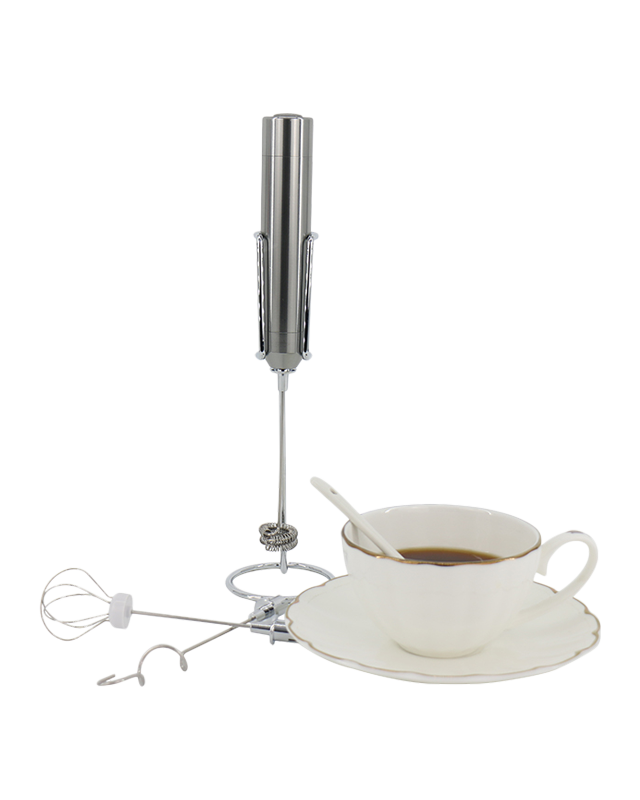
Many professional and prosumer Coffee Foam Mixer models are available with interchangeable whisk head attachments, each optimized for a different type of beverage preparation:
- Standard spring coil whisk: Best for milk frothing, matcha, and light powder mixing. The coil geometry maximizes air incorporation.
- Flat paddle whisk: Designed for thicker liquids such as protein shakes, blended wellness drinks, or hot chocolate with added cream. Reduces splashing and improves torque transfer in viscous liquids.
- Dual whisk head: Used for whipping dalgona-style toppings or larger volumes of frothed milk. The twin coil design doubles the aeration surface area, reducing preparation time by up to 40% compared to a single whisk head.
When purchasing a Coffee Foam Mixer for multi-beverage use, prioritize models that explicitly list attachment compatibility and ensure replacement heads are readily available from the manufacturer or third-party suppliers.
Key Limitations to Keep in Mind When Using a Coffee Foam Mixer for Other Drinks
While a Coffee Foam Mixer is remarkably versatile, there are practical boundaries to its capabilities that users should understand:
- Not suitable for very thick mixtures. Smoothies, thick yogurt drinks, or nut butter blends exceed the torque capacity of most handheld Coffee Foam Mixer motors and may cause overheating or premature motor failure.
- Limited volume per operation. A standard Coffee Foam Mixer whisk head is optimized for 150ml to 350ml of liquid. Attempting to froth or mix larger volumes results in uneven aeration and inconsistent texture.
- Not a substitute for a blender with fibrous ingredients. Beverages containing whole fruit, ice, or fibrous greens require a blender's cutting action — a Coffee Foam Mixer cannot break down solid particles and should not be used for these applications.
- Clean between different beverage types. Residual milk fat or matcha powder left on the whisk head will affect the flavor of subsequent beverages. Rinse the Coffee Foam Mixer whisk thoroughly in warm water after each use, especially when switching between dairy and non-dairy preparations.