

 English
 Français
 Español
 Deutsch
 日本語
日本語

The Automatic Milk Frother is significantly quieter than both a steam-based frother and a blender-style milk frother, making it the most household-friendly option for daily use. But the full picture involves more than just decibels — it includes the type of noise, duration, and how that noise affects your overall experience.
Understanding How Each Frother Type Generates Noise
Noise in milk frothing appliances comes from different mechanical and physical sources depending on the technology used. Understanding these sources helps explain why the Automatic Milk Frother consistently outperforms the other two in quiet operation.
Automatic Milk Frother
An Automatic Milk Frother uses an electric induction heating base combined with a small internal whisk that spins at a controlled speed. The motor operates at low RPMs, and because the whisk is submerged in milk during operation, most of the mechanical noise is absorbed by the liquid. The result is a soft humming sound typically measuring between 50–60 dB — roughly equivalent to a quiet conversation or light background music.
Steam-Based Frother
A steam-based frother — such as the steam wand on an espresso machine — forces pressurized steam through a metal nozzle into the milk. This process generates a sharp, high-pitched hissing sound that can reach 70–85 dB, comparable to a vacuum cleaner or busy restaurant. The noise is not only loud but also sudden and piercing, which many users find disruptive in open-plan homes or early-morning routines.
Blender-Style Milk Frother
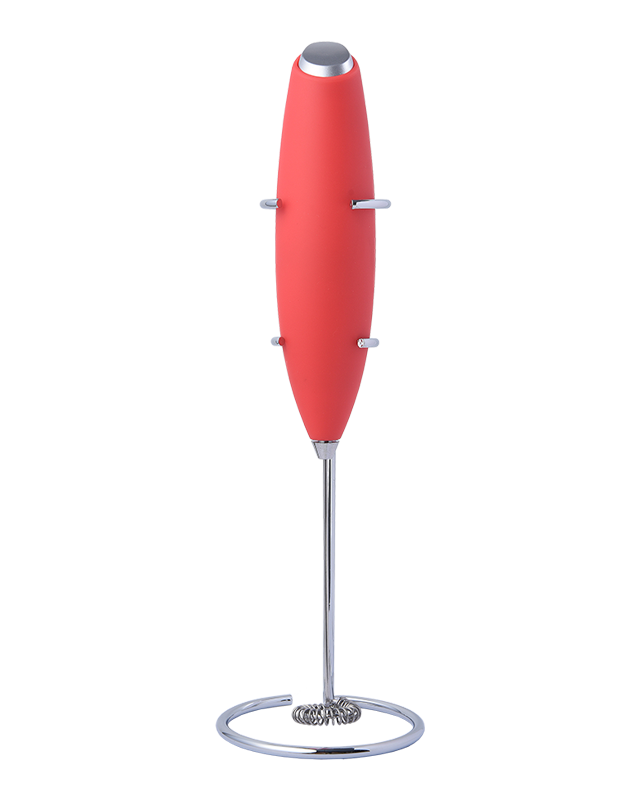
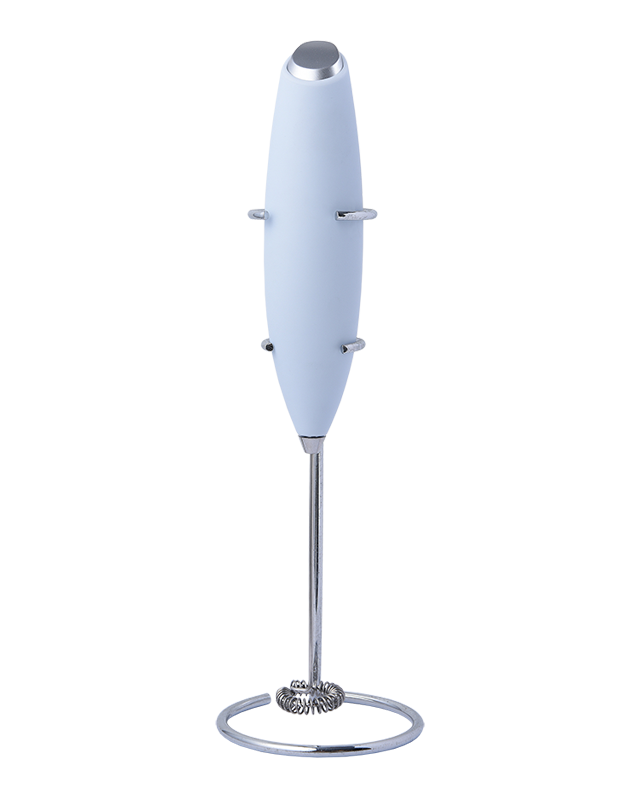
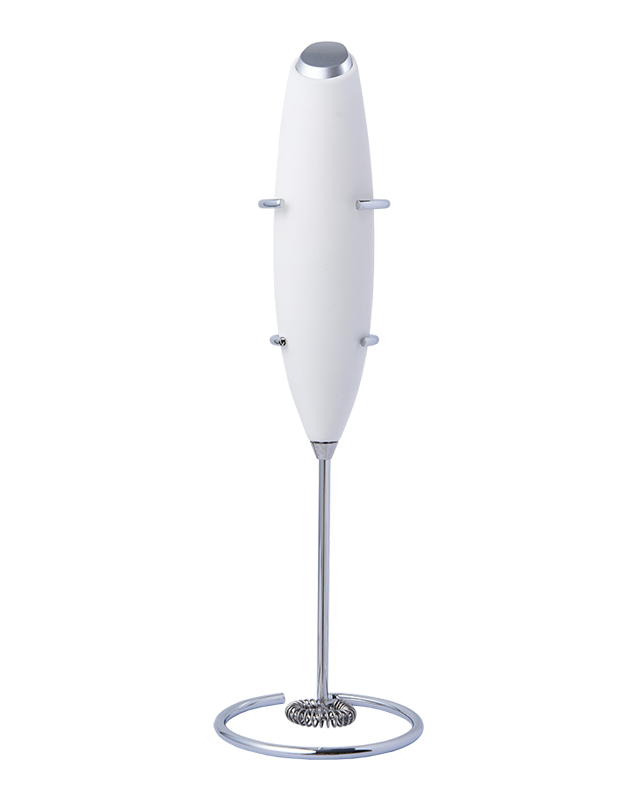
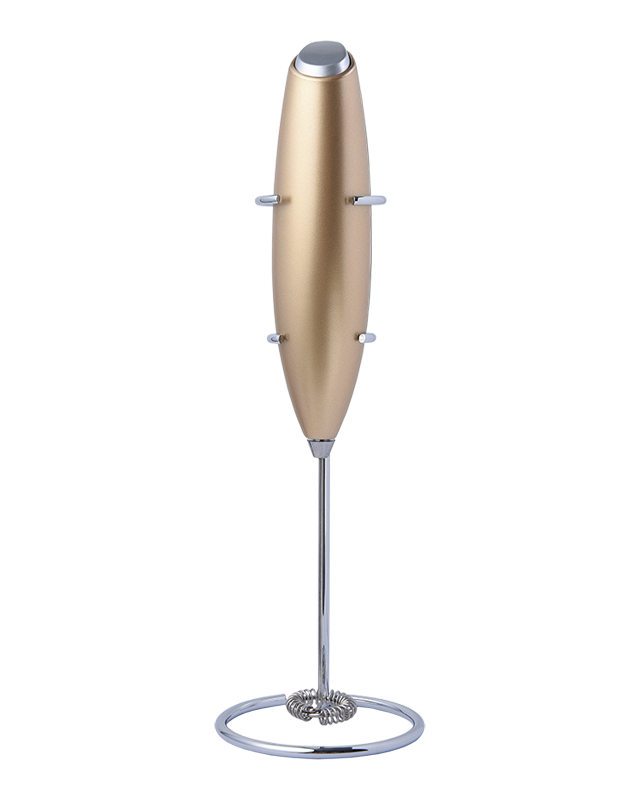
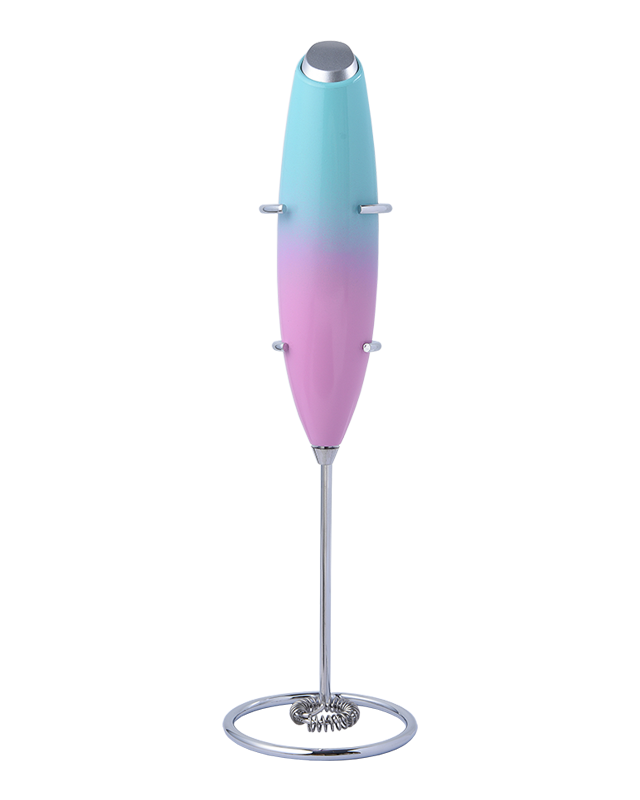
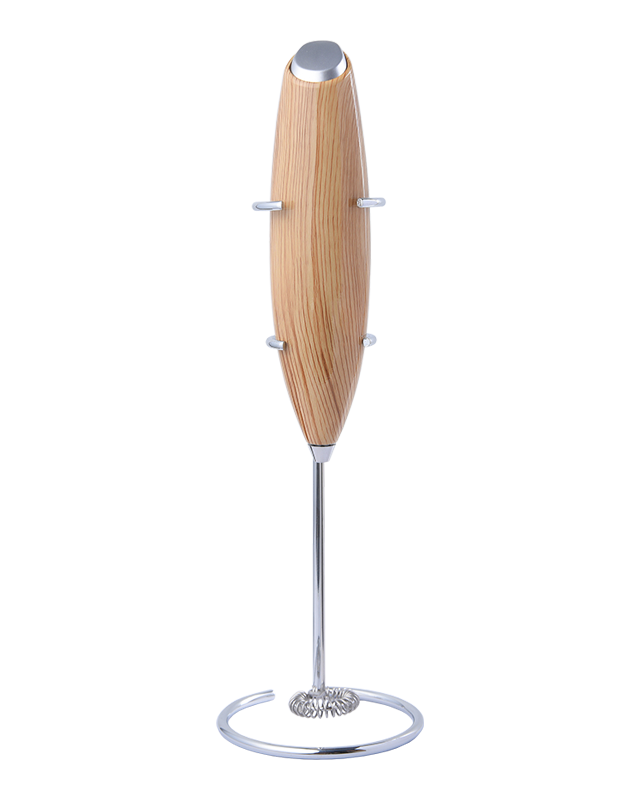
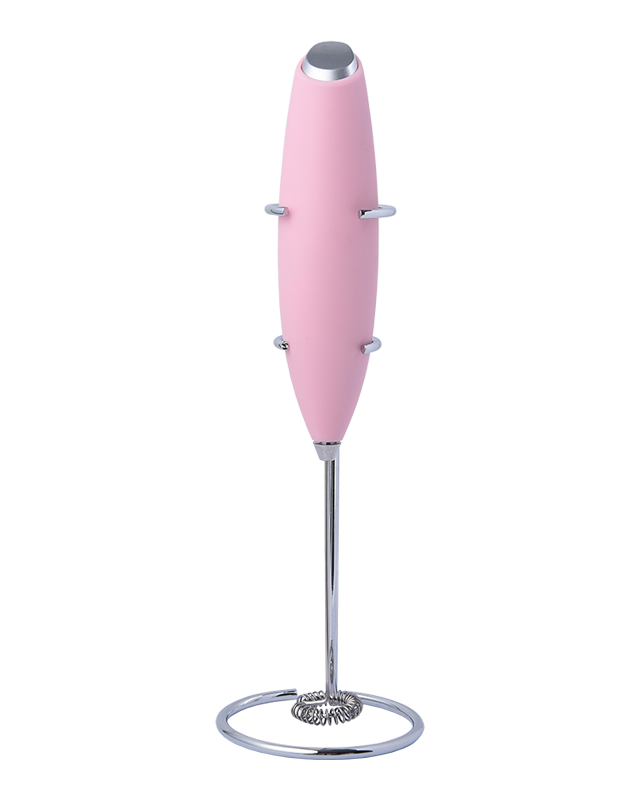
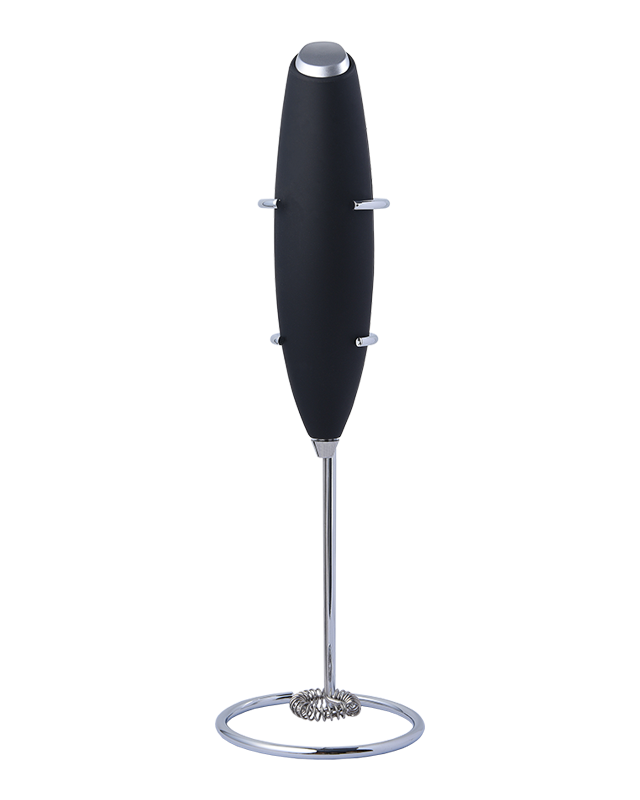
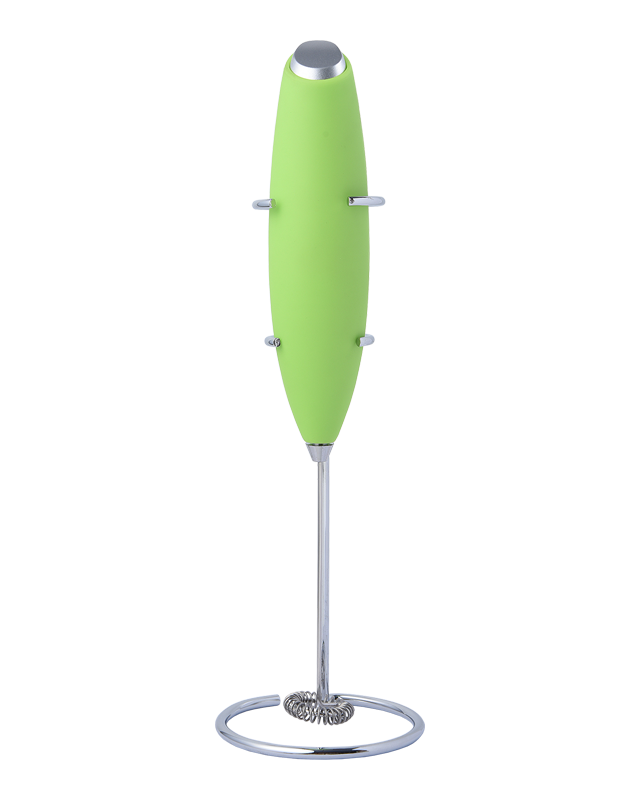
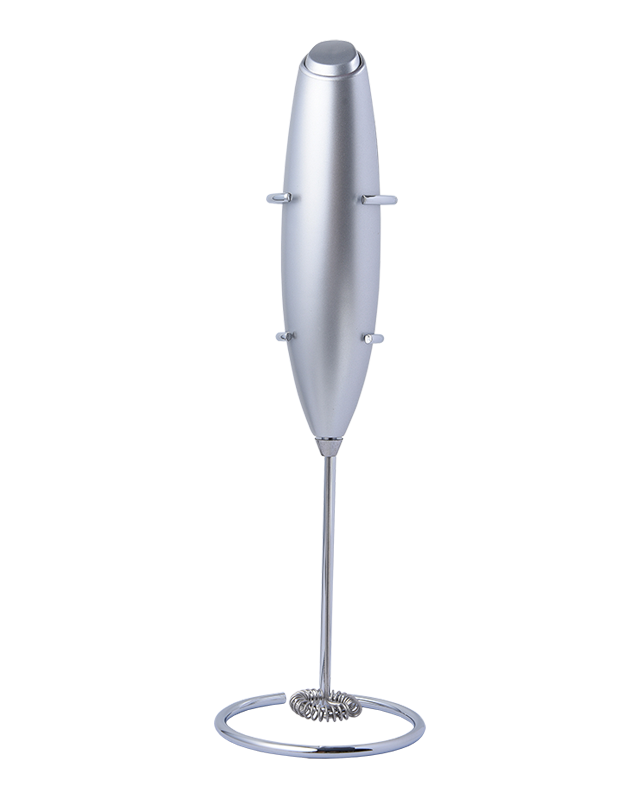
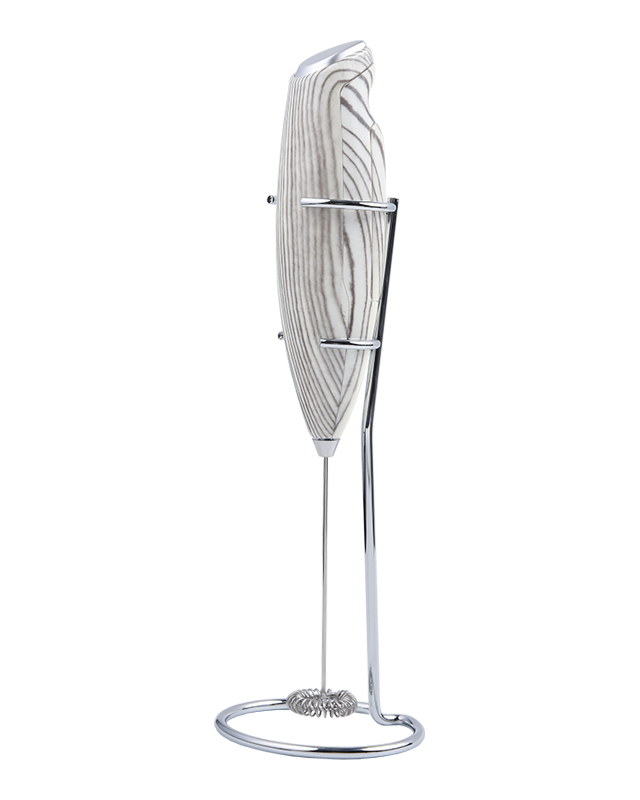
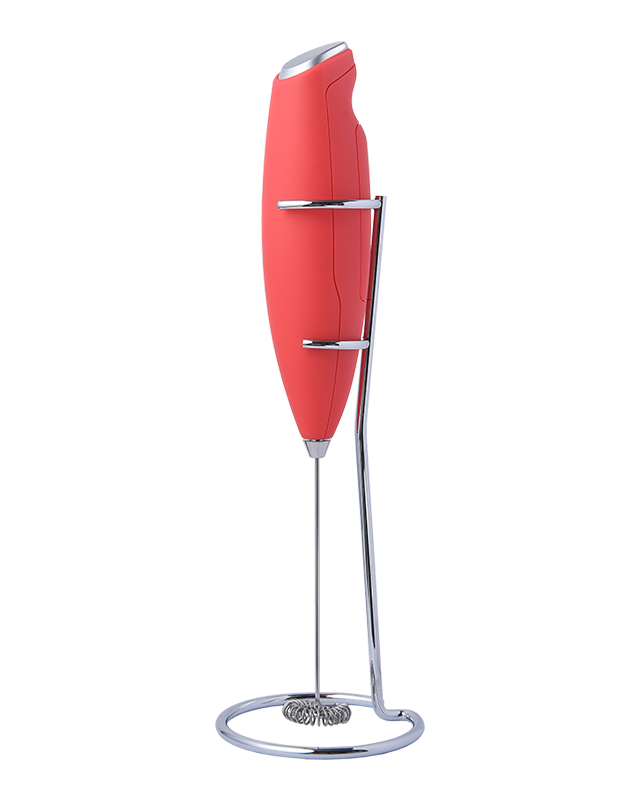
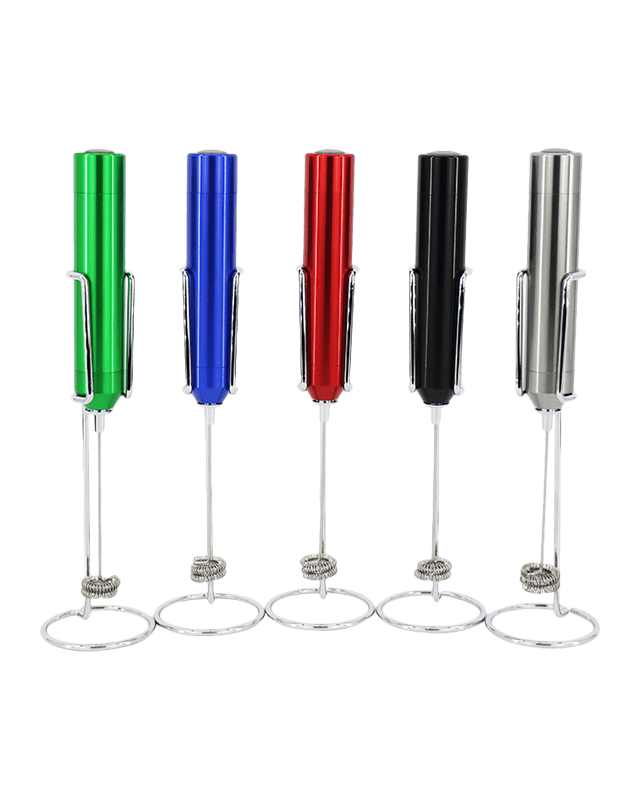
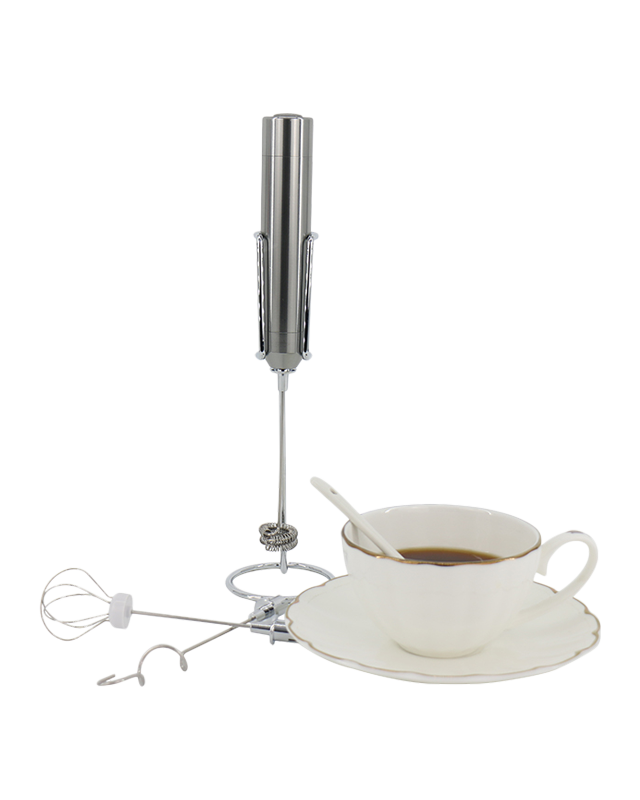
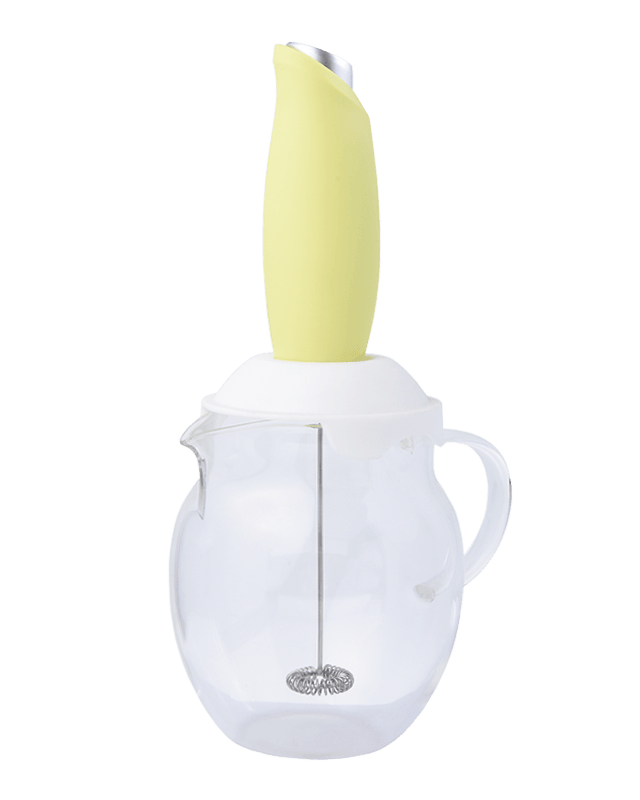
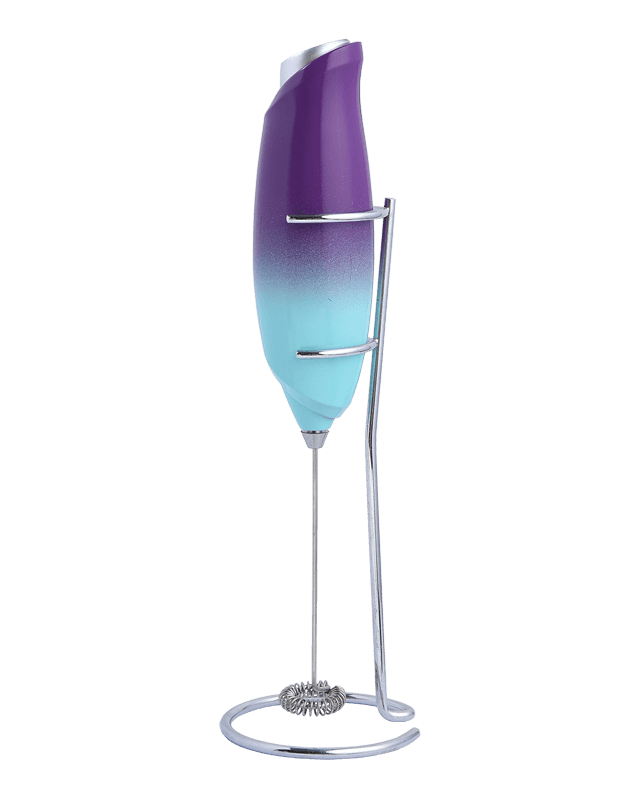
A blender-style milk frother — sometimes marketed as a Milk Foamer, Mini Mixer — uses high-speed rotating blades to aerate the milk. This design produces a continuous buzzing or whirring sound, often ranging from 65–75 dB, depending on the motor power and whether it's a countertop or handheld model. The sound is less sharp than steam but more persistent and rattling in nature.
Noise Level Comparison Table
| Frother Type | Typical Noise Level | Noise Character | Operation Duration | Disruption Level |
|---|---|---|---|---|
| Automatic Milk Frother | 50–60 dB | Soft hum | 60–90 seconds | Low |
| Steam-Based Frother | 70–85 dB | Sharp hiss | 20–40 seconds | High |
| Blender-Style Milk Frother (Milk Foamer, Mini Mixer) | 65–75 dB | Buzzing/whirring | 30–60 seconds | Medium |
Why Noise Duration Matters as Much as Decibels
Raw decibel values only tell part of the story. A steam-based frother, while loud, typically finishes frothing in 20–40 seconds. In contrast, an Automatic Milk Frother runs for 60–90 seconds but at a much lower volume. For most users in a shared living space, a brief but piercing burst of 80 dB from a steam wand is more disruptive than a full 90-second gentle hum from an Automatic Milk Frother.
The blender-style Milk Foamer, Mini Mixer category falls somewhere in between: moderate noise for a moderate duration. It's less jarring than steam but more annoying than the Automatic Milk Frother over time, especially in small apartments where kitchen sounds travel easily.
Real-World Scenarios: Which Frother Suits Your Lifestyle?
Noise tolerance varies widely depending on your living situation and usage habits. Here's how each frother type performs in common real-world contexts:
- Early morning use in a shared home: The Automatic Milk Frother is the clear winner. Its low hum won't wake sleeping family members or roommates.
- Home café setup with performance priority: A steam-based frother produces superior microfoam for latte art, but the noise is an accepted trade-off for enthusiasts.
- Office or shared workspace kitchen: A compact Milk Foamer, Mini Mixer style device works well given its short run time, but the buzzing noise can still distract colleagues nearby.
- Small studio apartment: The Automatic Milk Frother is strongly preferred — the kitchen and living areas are often the same space, making noise management critical.
- Quick single-serve froth on a budget: A handheld Milk Foamer, Mini Mixer offers a fast and affordable alternative, though it requires manual control and produces intermittent buzzing sounds.
Factors That Influence the Noise Level of an Automatic Milk Frother
Not all Automatic Milk Frother models are equally quiet. Several design and usage factors affect how much sound your specific unit produces:
- Milk fill level: Overfilling or underfilling the frother causes the whisk to operate less smoothly, increasing rattling or splashing sounds.
- Whisk condition: A worn or improperly seated whisk can create additional vibration noise. Always ensure it clicks securely into place.
- Surface placement: Placing the Automatic Milk Frother on a hollow or resonant countertop can amplify its motor vibration. A silicone mat underneath reduces this noticeably.
- Milk type: Thicker milk alternatives like oat milk create more resistance, which can cause the motor to work harder and produce slightly more noise.
- Model quality: Premium Automatic Milk Frother models from brands like Breville or Nespresso use more refined motor dampening compared to budget alternatives.
Does Quieter Mean Lower Performance?
A common concern is whether the quiet operation of an Automatic Milk Frother comes at the cost of froth quality. The answer is nuanced. For everyday drinks — lattes, cappuccinos, hot chocolates — the Automatic Milk Frother produces consistently good results that satisfy most home users. However, professional-grade microfoam suitable for intricate latte art still requires the precision of a steam wand, which inherently involves more noise.
In comparison, the blender-style Milk Foamer, Mini Mixer produces froth more quickly but with larger, less stable bubbles that dissipate faster. For cold foam applications specifically, the Automatic Milk Frother with a cold-froth setting often outperforms both alternatives in texture and longevity — all while staying under 60 dB.
In summary, the Automatic Milk Frother offers the best balance of quiet operation and practical frothing performance for the average home user, making it the preferred daily-use appliance in noise-sensitive environments.
Key Takeaways
- An Automatic Milk Frother operates at 50–60 dB, making it the quietest of the three frother categories.
- Steam-based frothers are the loudest at 70–85 dB, with a sharp, high-pitched hiss that many users find disruptive.
- Blender-style models, including handheld Milk Foamer, Mini Mixer devices, sit in the middle range at 65–75 dB with a persistent buzzing tone.
- Noise duration and character are just as important as peak decibel levels when evaluating real-world disruption.
- Placement, milk fill level, and whisk condition can all affect how quietly your Automatic Milk Frother performs in practice.