

 English
 Français
 Español
 Deutsch
 日本語
日本語

The Coffee Foam Mixer is significantly easier and faster to clean than most fully automatic frothers — typically requiring nothing more than a quick rinse and wipe. Automatic frothers, while convenient to operate, often involve multiple removable parts, internal steam mechanisms, and descaling routines that demand considerably more time and effort. If low-maintenance cleaning is a priority, the Coffee Foam Mixer holds a clear practical advantage.
How the Coffee Foam Mixer Is Cleaned
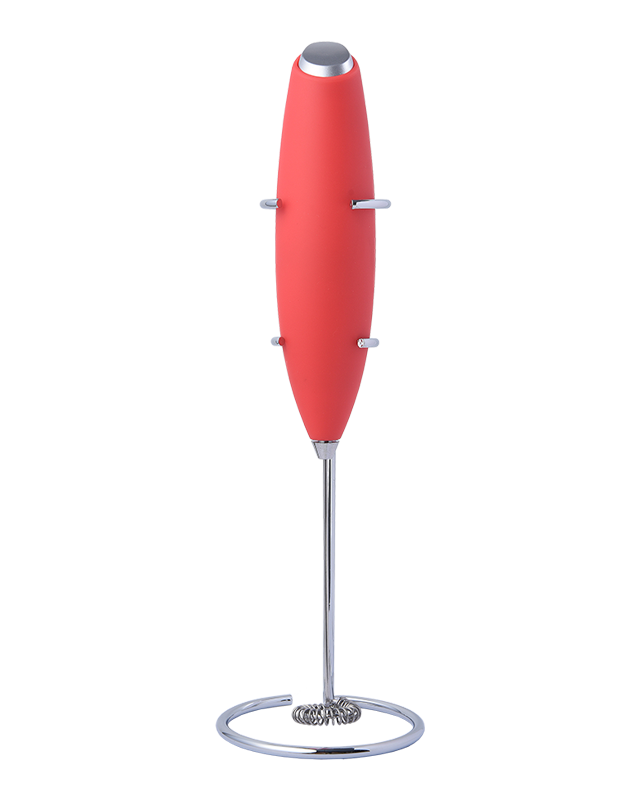
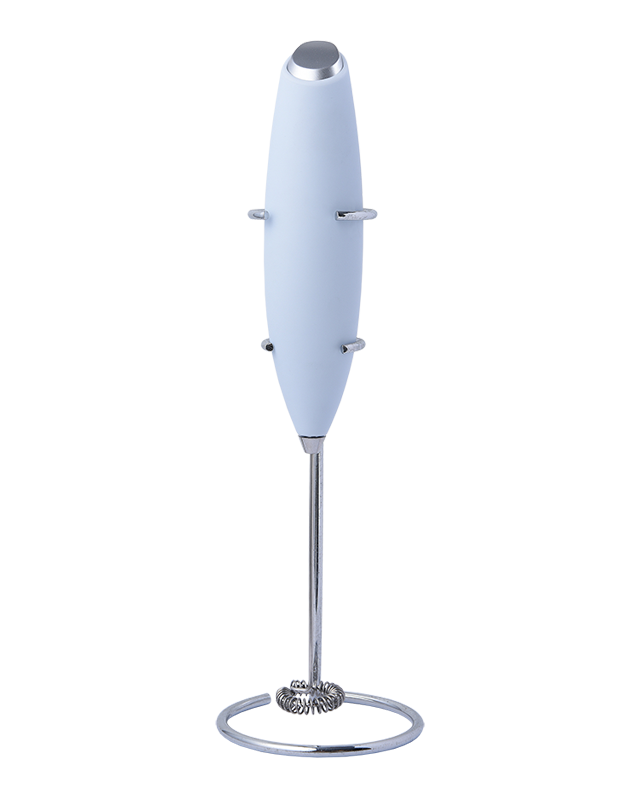
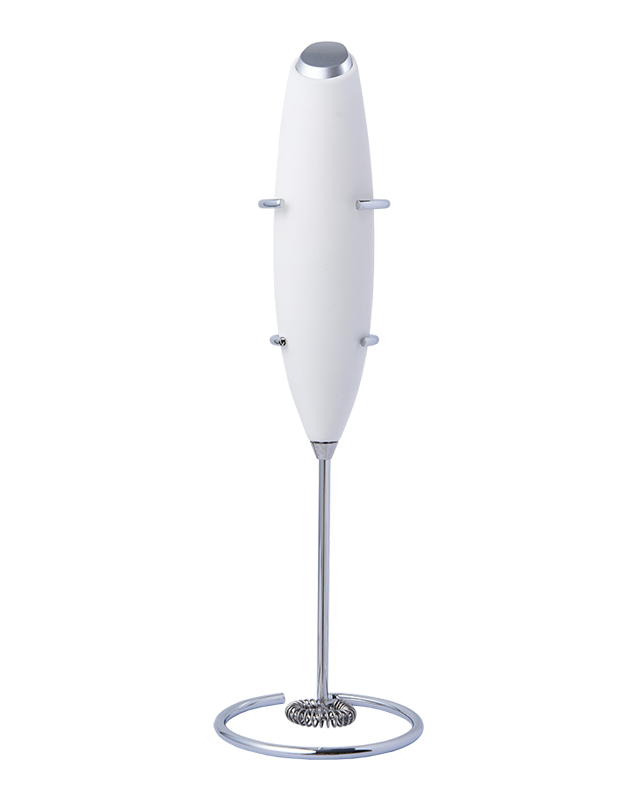
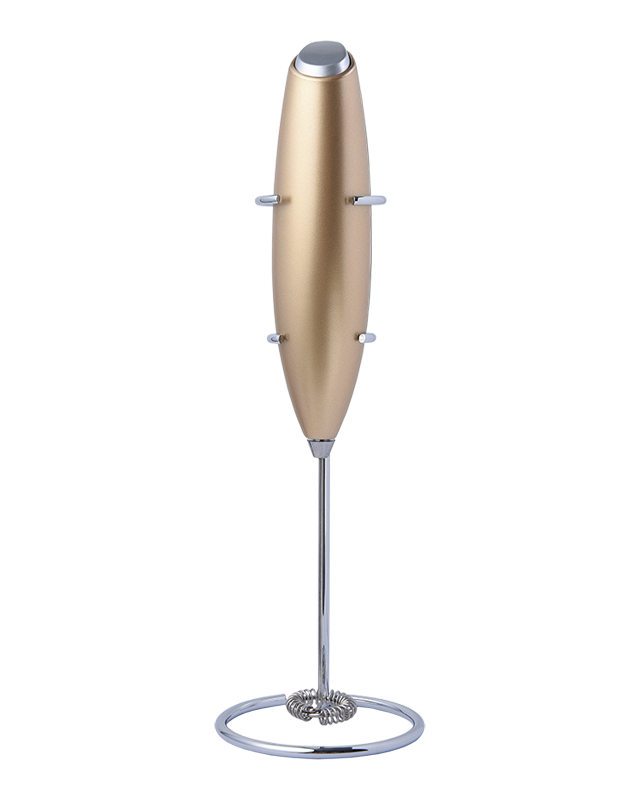
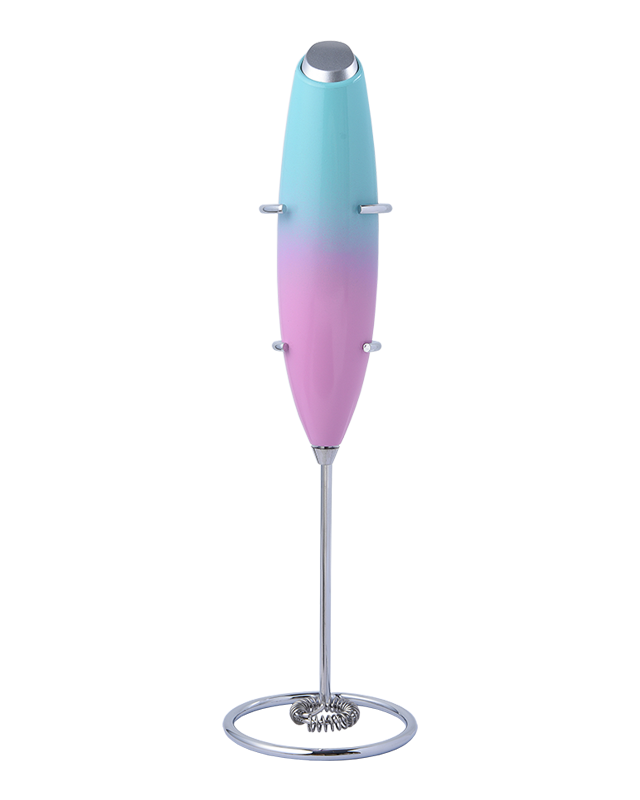
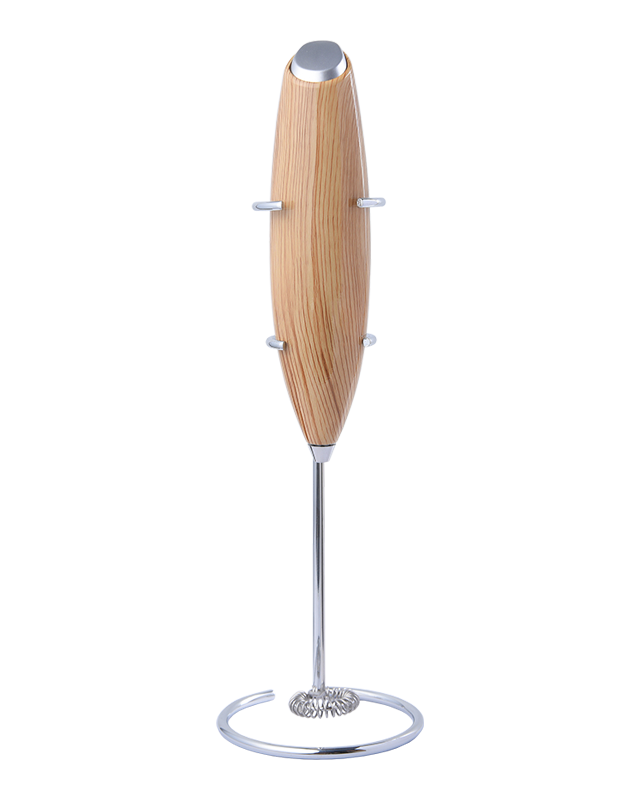
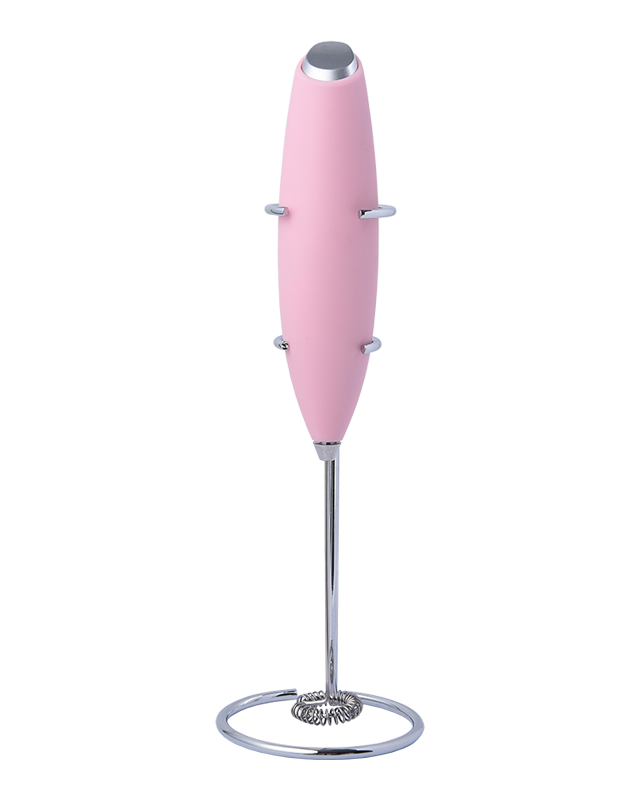
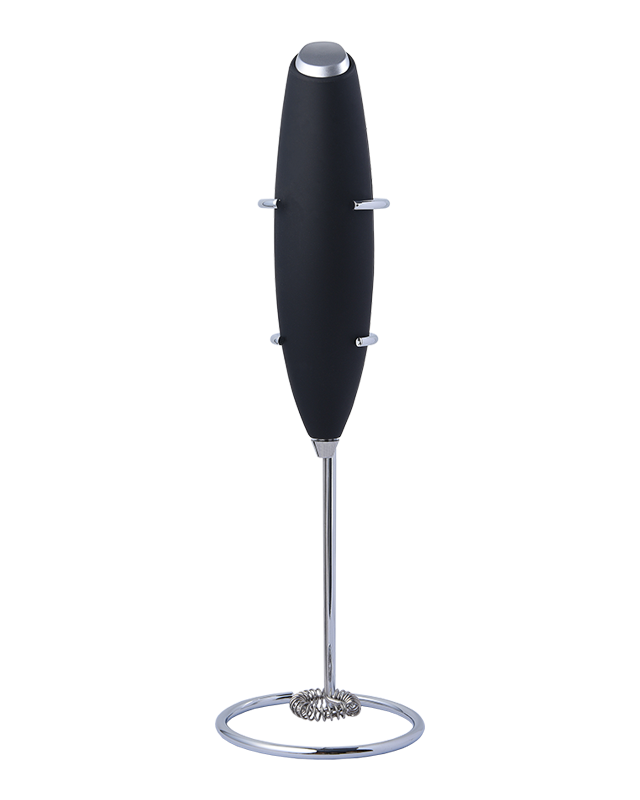
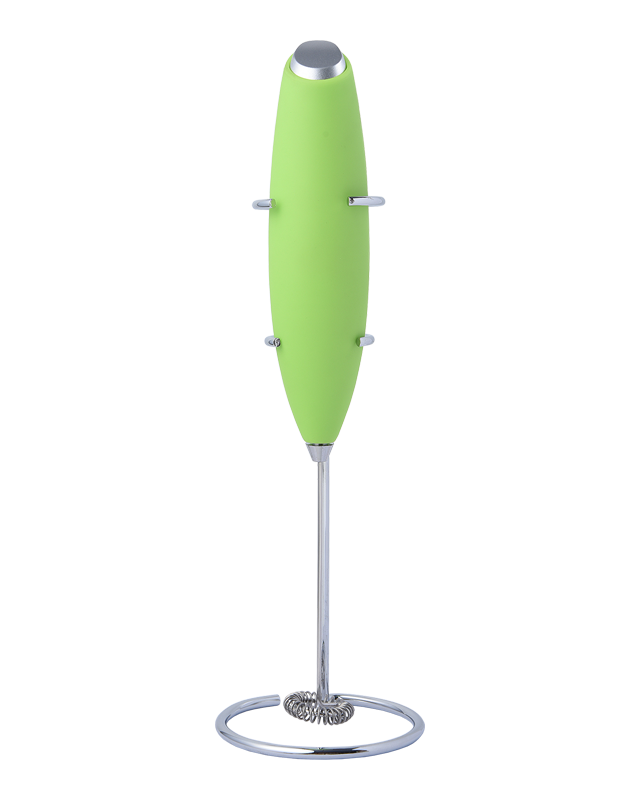
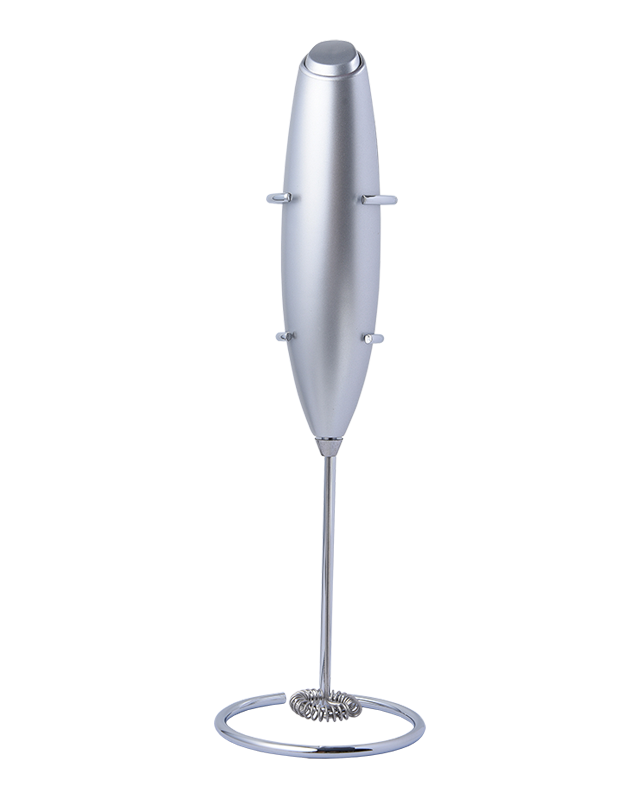
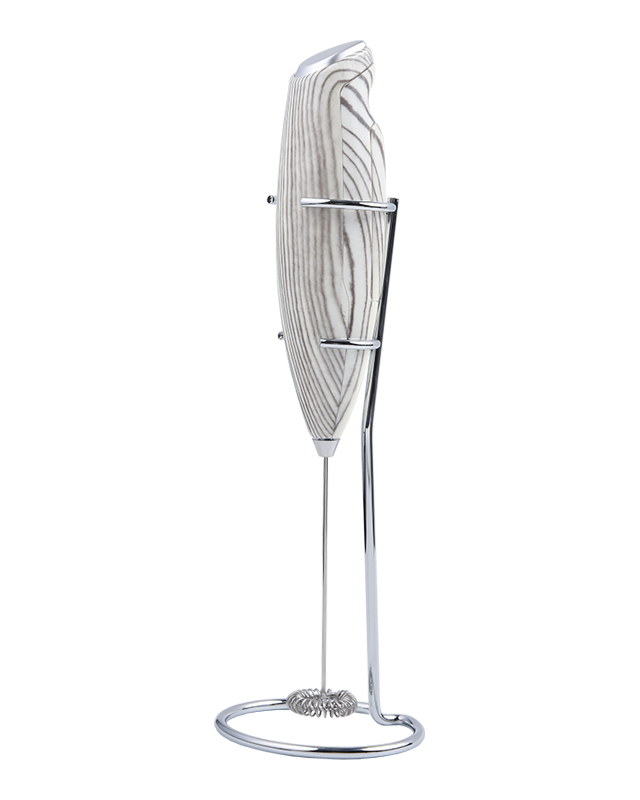
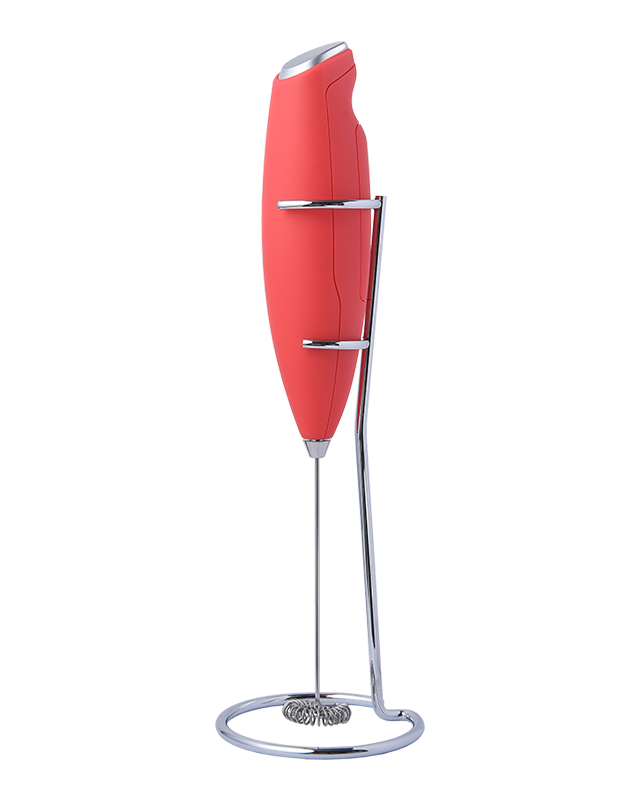
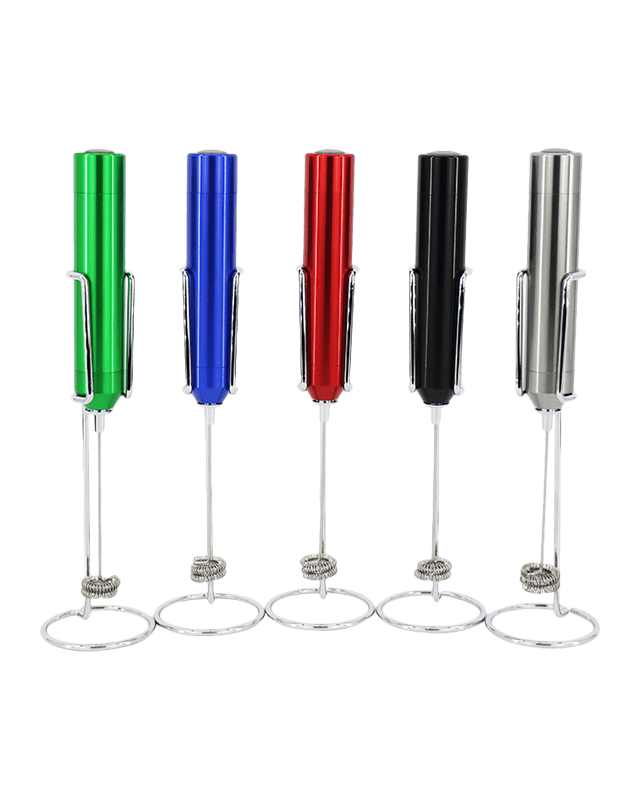
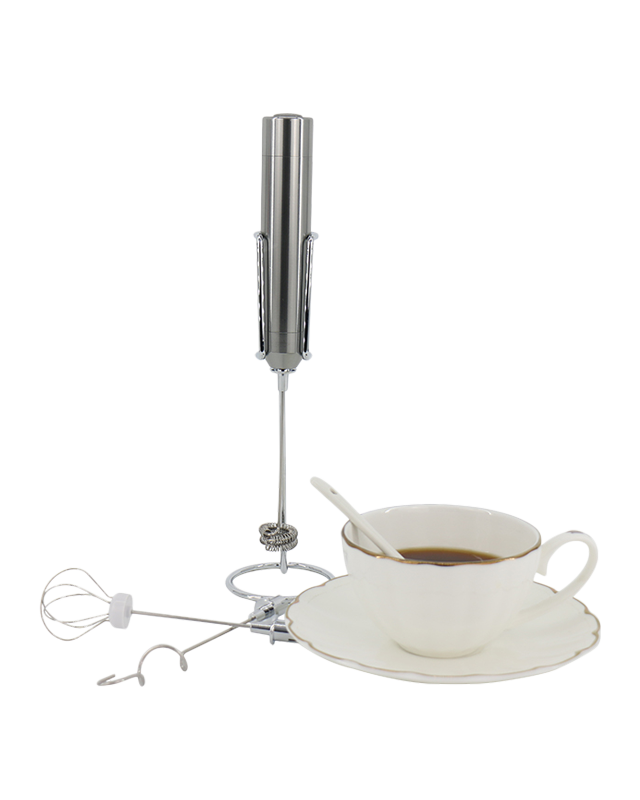
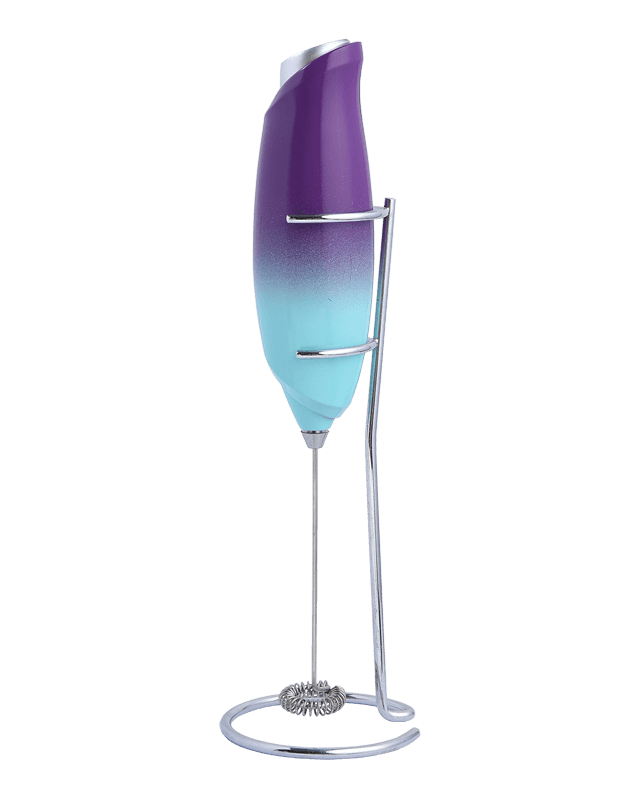
The Coffee Foam Mixer is a handheld or compact electric whisk-style device with a minimalist design. Because it does not heat milk internally and has no enclosed chamber, cleaning is straightforward.
The standard cleaning process takes under 30 seconds and involves three simple steps:
- Submerge the whisk head in warm water immediately after use.
- Run the motor for 5–10 seconds to spin off any milk residue.
- Wipe with a dry cloth or rinse under running water.
Most models feature a detachable stainless steel whisk that is fully dishwasher safe, eliminating any concern about milk buildup around the wire coils. The handle, which houses the motor and battery, should never be submerged — but it rarely contacts milk directly during normal use. There are no internal milk pathways, no steam valves, and no heating elements that could accumulate scale.
How Fully Automatic Frothers Are Cleaned
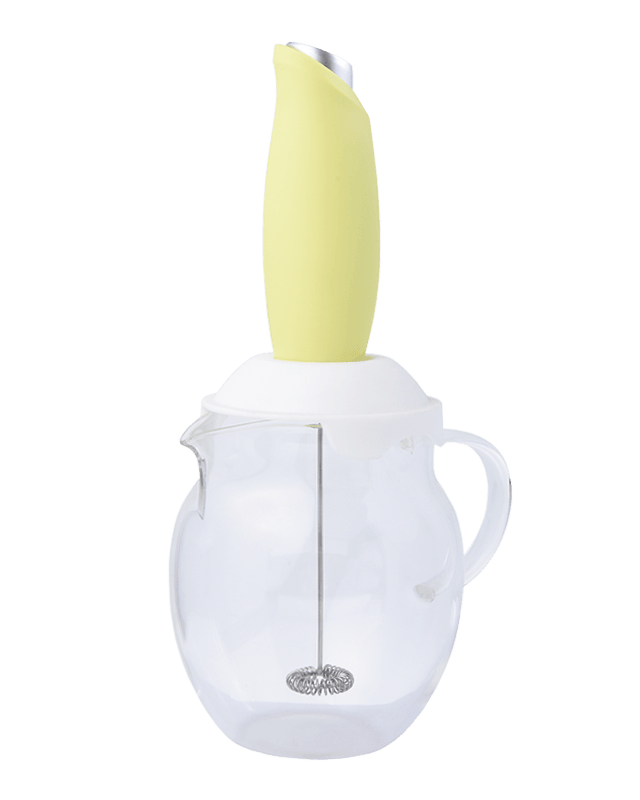
Fully automatic frothers — such as the Nespresso Aeroccino 4, Breville Milk Café, or De'Longhi Latissima series — heat and froth milk in an enclosed jug or carafe. This enclosed design produces consistent, temperature-controlled foam, but creates a more demanding cleaning challenge.
Common Cleaning Steps for Automatic Frothers
- Rinse the jug immediately after every use to prevent milk from drying onto the non-stick coating.
- Remove the whisk disc or spring attachment and clean it separately — these small parts can trap milk fat in tight gaps.
- Wipe the interior with a soft sponge; abrasive cleaners damage the non-stick lining, which many models rely on.
- Descale every 4–8 weeks depending on water hardness — a citric acid or commercial descaling solution is typically required.
- Dry thoroughly before reassembly to avoid mold growth in enclosed chambers.
The full cleaning routine for an automatic frother can take 3 to 7 minutes per session, and descaling adds an additional 15–20 minutes every month. Over the course of a year of daily use, that difference in cleaning time adds up to several hours compared to the Coffee Foam Mixer.
Side-by-Side Cleaning Comparison
The table below summarizes the key cleaning differences between the Coffee Foam Mixer and typical fully automatic frothers:
| Feature | Coffee Foam Mixer | Fully Automatic Frother |
|---|---|---|
| Daily cleaning time | Under 30 seconds | 3–7 minutes |
| Dishwasher safe parts | Yes (whisk head) | Varies (often not recommended) |
| Descaling required | No | Yes, every 4–8 weeks |
| Number of parts to clean | 1–2 | 3–5 |
| Risk of milk residue buildup | Low | Moderate to High |
| Non-stick coating concern | None | Yes — can degrade over time |
| Cleaning chemical needed | None (water only) | Descaler required periodically |
Why Milk Residue Is a Bigger Problem in Automatic Frothers
The core reason automatic frothers are harder to clean lies in their heating mechanism. When milk is heated inside an enclosed metal or plastic chamber, proteins and fats bond to the surface through a process similar to scalding. If not rinsed within minutes of use, this residue can harden into a film that is difficult to remove without soaking or scrubbing.
In hard water areas — which affects a large percentage of households in Northern Europe, including the Netherlands — limescale accumulates on internal heating coils of automatic frothers within weeks. This not only affects foam quality but can permanently damage the heating element if descaling is neglected. The Coffee Foam Mixer, which operates at room temperature without internal heating, is completely immune to this problem.
Plant-based milks — increasingly popular among consumers — compound the issue further. Oat milk, for example, contains higher levels of starch that caramelize at heat, leaving a sticky residue inside automatic frother chambers that plain water cannot dissolve. Users report needing to soak automatic frother jugs for 10–15 minutes when switching between dairy and non-dairy milks. The Coffee Foam Mixer, by contrast, requires the same 30-second rinse regardless of milk type.
Long-Term Maintenance and Hygiene Considerations
Beyond daily cleaning, long-term hygiene is an important factor for any milk frothing device. Milk is a perishable liquid, and any residue left in crevices or internal components can harbor bacteria rapidly, especially at warm temperatures.
Coffee Foam Mixer Long-Term Maintenance
The exposed whisk design of the Coffee Foam Mixer allows for full visual inspection after every clean. There are no hidden cavities where milk can collect unnoticed. The stainless steel whisk is resistant to corrosion and odor absorption. With proper rinsing after each use, most users report no need for deep cleaning more than once per month.
Automatic Frother Long-Term Maintenance
Automatic frothers with non-stick coatings face a well-documented degradation issue. Over 6–12 months of daily use, the non-stick surface begins to wear, making it progressively harder to clean and raising questions about coating particles entering beverages. The magnetic whisk discs used in models like the Aeroccino are prone to collecting dried milk around their edges — an area difficult to clean with standard sponges and often requiring a small brush or toothpick.
In terms of overall hygiene reliability across time, the Coffee Foam Mixer presents fewer long-term risks due to its simpler, open construction and lack of heat-bonded residue concerns.
When an Automatic Frother's Cleaning Demands May Still Be Worth It
Despite its more demanding cleaning routine, a fully automatic frother may still be the right choice for users who prioritize foam precision and temperature control over convenience. If you are making multiple drinks per day and require consistently hot, textured foam with minimal technique, the extra minutes spent cleaning an automatic frother may be a reasonable trade-off.
However, for users who value simplicity, quick cleanup, and versatility across milk types, the Coffee Foam Mixer's near-effortless cleaning process is a compelling everyday advantage that compounds in value over months of use.
The Coffee Foam Mixer wins decisively on cleaning ease. With a rinse time under 30 seconds, no descaling requirements, dishwasher-safe components, and no internal milk pathways, it removes nearly all friction from post-use maintenance. Fully automatic frothers, while powerful and precise, introduce daily cleaning steps, periodic descaling, and long-term surface degradation risks that require consistent attention to maintain hygiene and performance.
For home users making one to two drinks per day, the time saved by choosing the Coffee Foam Mixer over an automatic frother can amount to over 20 hours per year in cleaning alone — a practical benefit that deserves serious consideration when choosing between the two.