

 English
 Français
 Español
 Deutsch
 日本語
日本語
The Electric Milk Frother uses significantly less power than a fully automatic espresso machine with a built-in frother. A typical Electric Milk Frother operates between 500W and 1,000W, while a fully automatic espresso machine draws anywhere from 1,200W to 1,500W — and some high-end models peak at 1,800W or more. If energy efficiency, countertop space, and cost-effectiveness are priorities for your daily coffee routine, a standalone Electric Milk Frother is the clear winner on power consumption alone.
Typical Power Consumption: Electric Milk Frother vs Fully Automatic Espresso Machine
To understand the difference in real terms, it helps to look at the actual wattage ranges for each appliance category side by side.
| Appliance | Power Range (Watts) | Avg. Daily Usage (mins) | Est. Monthly Energy (kWh) |
|---|---|---|---|
| Electric Milk Frother (standalone) | 500W – 1,000W | 3 – 5 mins | 0.5 – 1.5 kWh |
| Fully Automatic Espresso Machine (with built-in frother) | 1,200W – 1,800W | 10 – 20 mins | 6 – 18 kWh |
As the table shows, when accounting for total operational time per day, the energy gap widens considerably. Espresso machines require warm-up time, boiler maintenance cycles, and often remain in standby mode — all of which add to their cumulative power draw. A standalone Electric Milk Frother, by contrast, powers on, completes its task in under two minutes in most cases, and shuts off automatically.
Why Espresso Machines Consume So Much More Energy
A fully automatic espresso machine is engineered to perform multiple complex tasks simultaneously: grinding beans, pressurizing water, brewing espresso, and frothing milk — all within the same chassis. This multifunctionality demands a powerful and continuously energized system. Key energy-intensive components include:
- Boiler or thermoblock heating system — maintaining water at 90–96°C for espresso extraction requires sustained high wattage.
- Steam wand or automatic frothing unit — generating steam pressure for milk frothing adds another significant energy load on top of the brewing cycle.
- Standby mode — many machines stay partially heated to reduce warm-up time, consuming 10W–30W continuously even when idle.
- Grinder motor — integrated bean grinders add another 100W–200W to each brewing cycle.
In contrast, a dedicated Electric Milk Frother handles only one task: frothing or heating milk. Its heating element and motor are sized accordingly, with no unnecessary overhead. This focused design philosophy is precisely what makes the Electric Milk Frother such an energy-efficient choice for home baristas.
Real-World Cost Difference Over Time
Let's translate wattage into dollars and cents. Using a global average electricity rate of approximately $0.15 per kWh and assuming two frothing sessions per day:
Electric Milk Frother (750W average, 3 minutes per session)
- Daily energy: ~0.075 kWh
- Monthly cost: ~$0.34
- Annual cost: ~$4.10
Fully Automatic Espresso Machine (1,500W average, 15 minutes total daily operation)
- Daily energy: ~0.375 kWh
- Monthly cost: ~$1.69
- Annual cost: ~$20.25
That's a roughly 5x difference in annual energy cost just for the frothing-related operation, without factoring in the espresso brewing cycle itself. If your espresso machine remains in standby mode throughout the day, the true energy cost is even higher.
The Case for an Automatic Electric Milk Frother
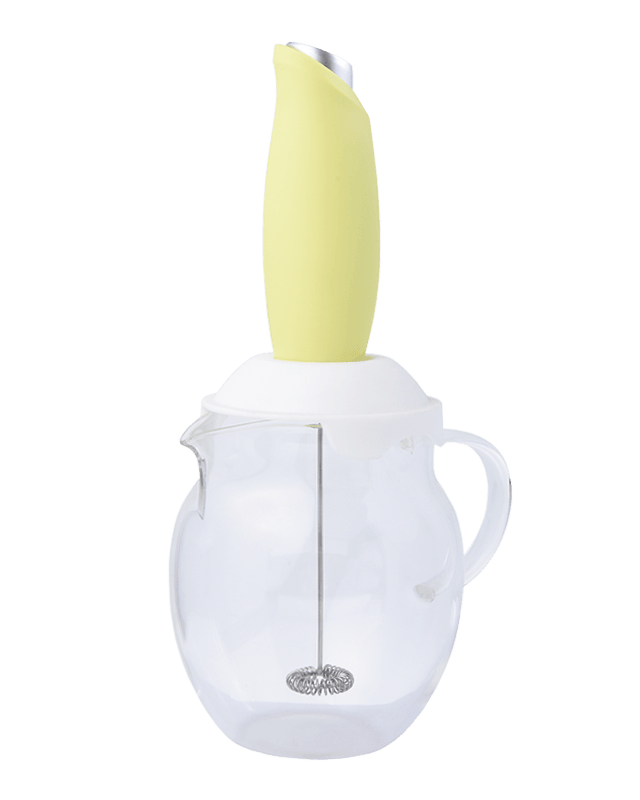
For users who already own a manual or semi-automatic espresso machine — or who prepare coffee using a pour-over, French press, or capsule machine — an Automatic Electric Milk Frother delivers professional-quality milk foam without the energy overhead of a fully integrated system. The automation features found in modern Electric Milk Frother models, such as one-touch operation, temperature presets, and auto shut-off, mean there is no need to manually monitor the frothing process. You simply pour in your milk, press a button, and the appliance handles the rest — typically within 60 to 90 seconds for cold foam and under 2 minutes for hot froth.
Beyond energy savings, this type of setup gives users greater flexibility. You can use your Electric Milk Frother alongside any coffee brewing method, rather than being locked into a proprietary system. It also makes the appliance easier to maintain, clean, and replace if necessary — at a fraction of the cost of servicing a fully automatic espresso machine.
Handheld vs Countertop: Where Does the Electric Handle Milk Frother Fit?
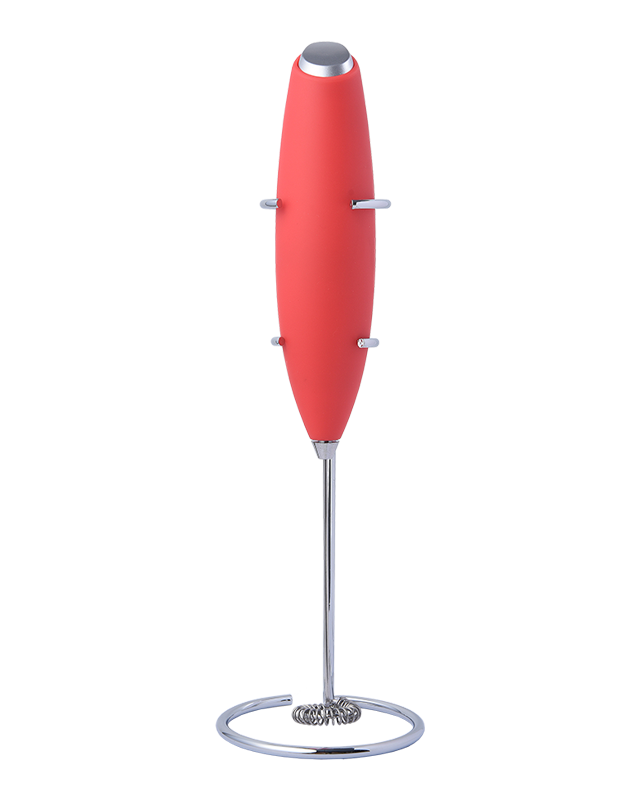
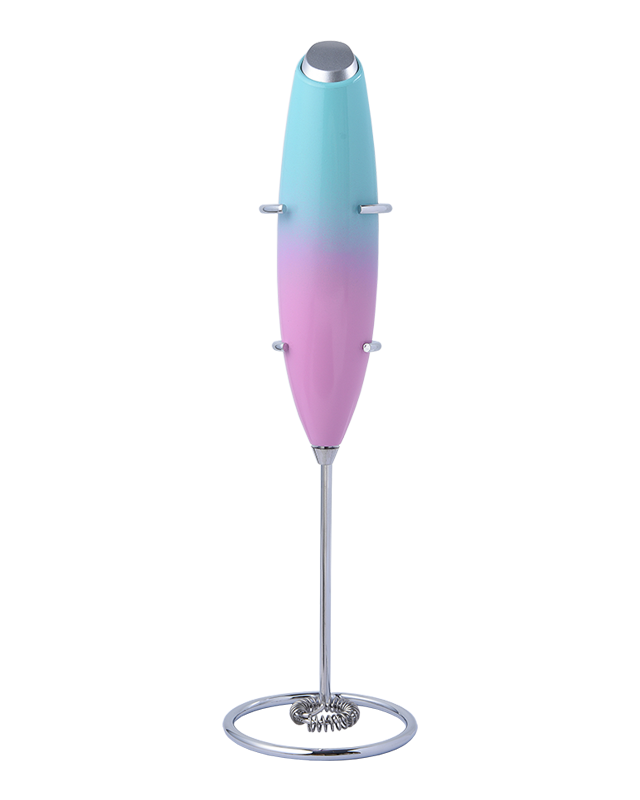
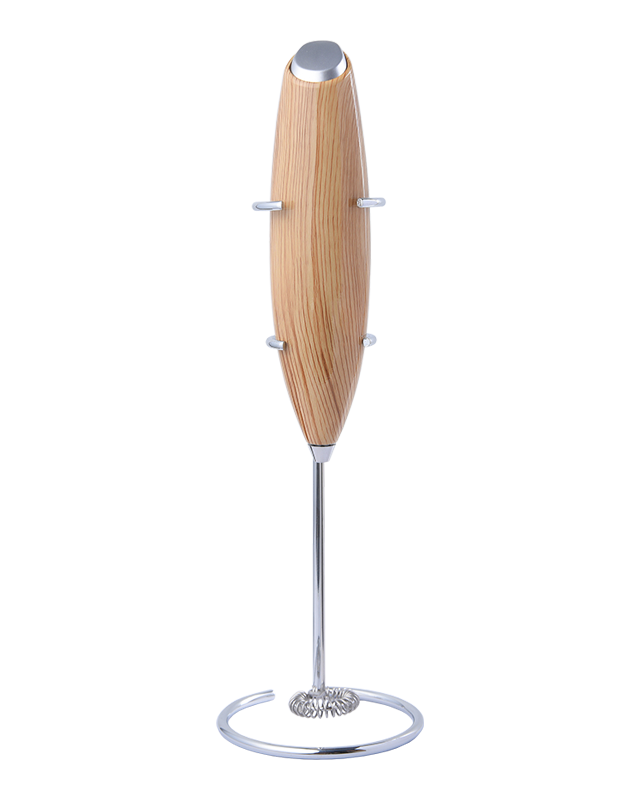
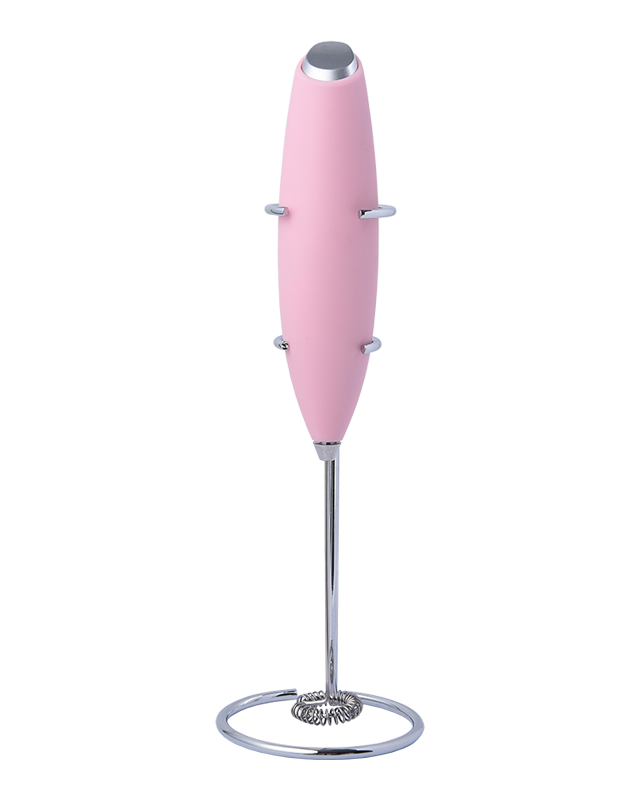
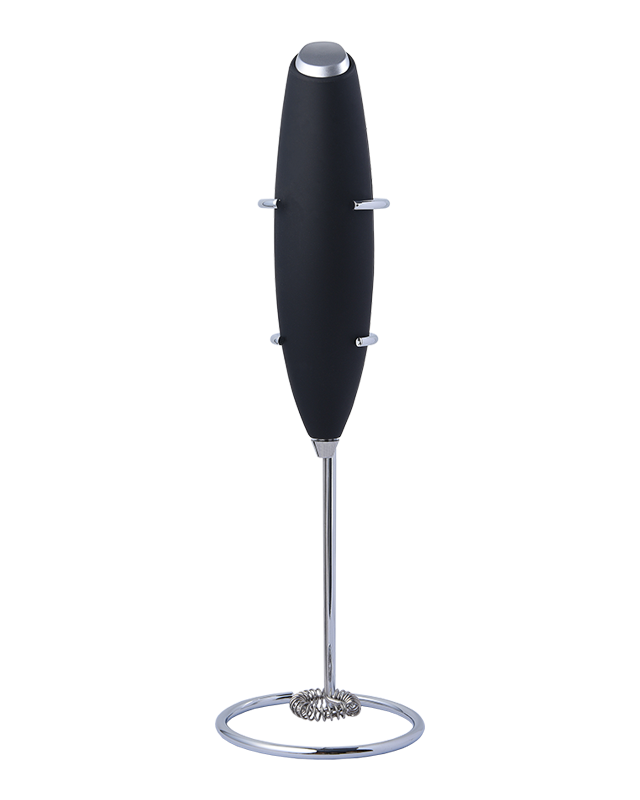
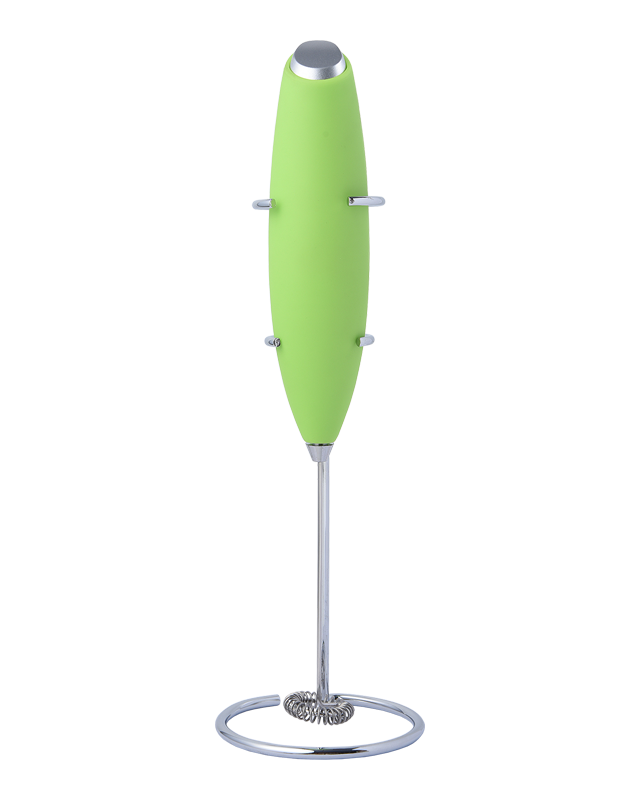
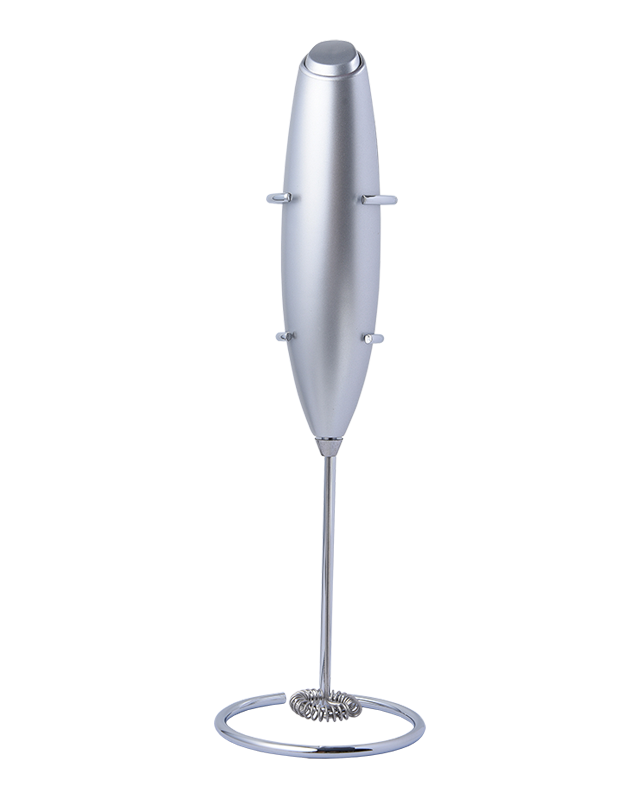
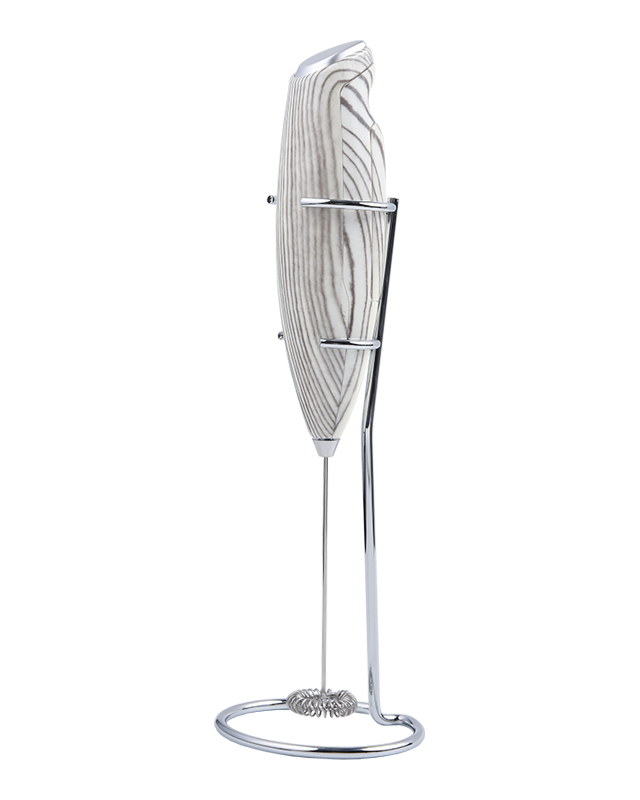
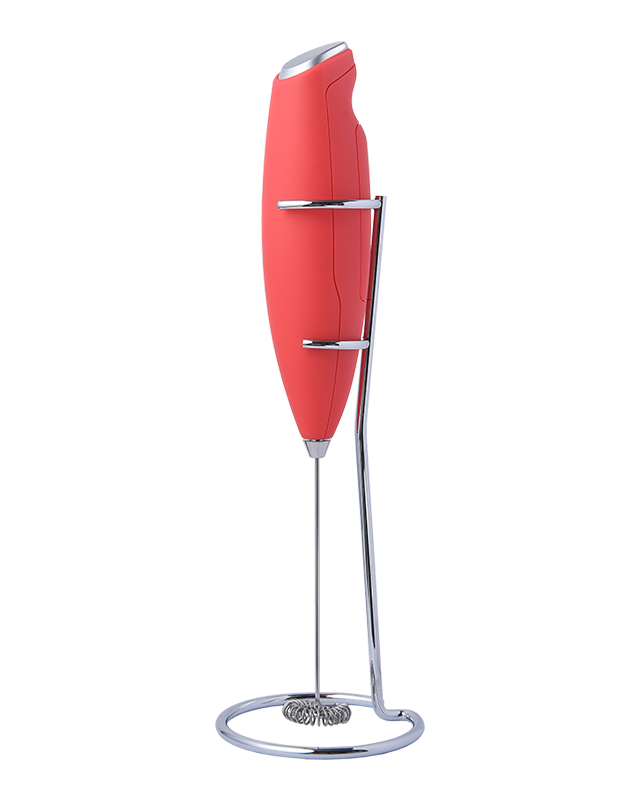
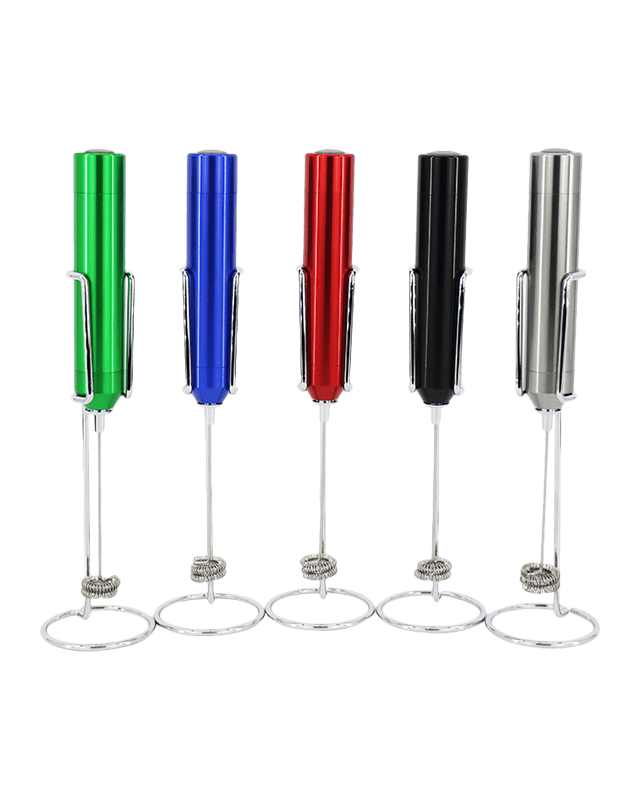
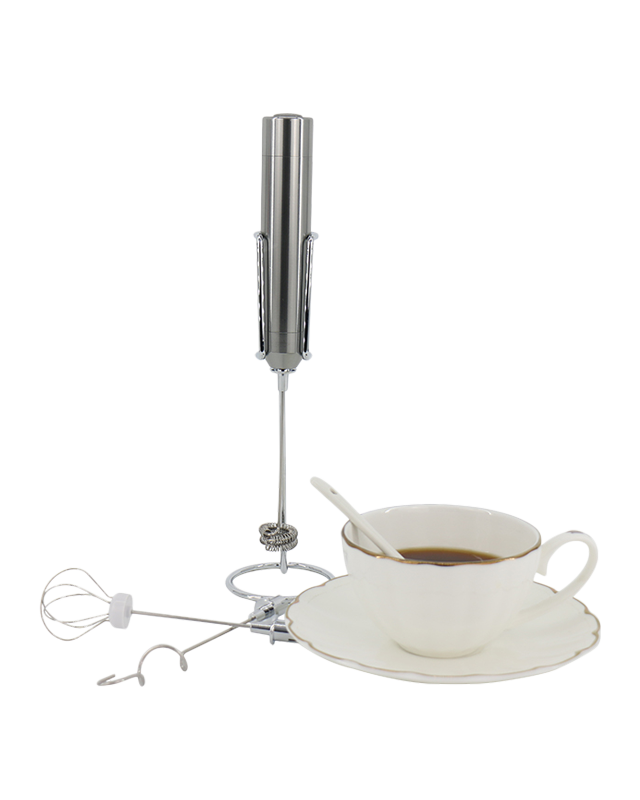
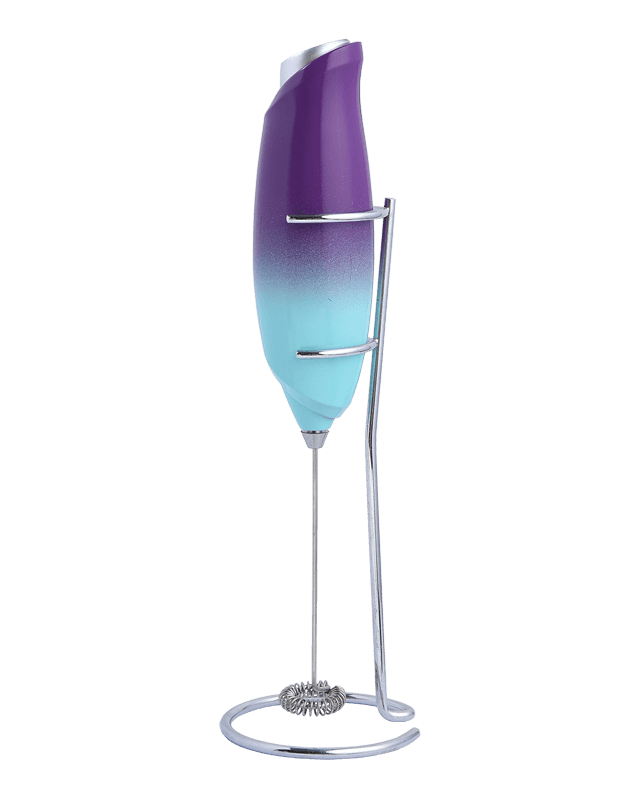
It is worth noting that not all Electric Milk Frothers are the same. An Electric Handle Milk Frother — also known as a handheld or wand frother — operates at a much lower wattage, typically between 8W and 25W. These battery-powered or USB-rechargeable devices are exceptionally energy efficient, though they require a separate heating source for the milk itself and generally produce lighter, less consistent foam compared to countertop jug-style Electric Milk Frother models.
If maximum energy efficiency is the goal and foam texture is a secondary concern, an Electric Handle Milk Frother is the lowest-consumption option available. However, for users who prioritize consistent microfoam quality and the convenience of simultaneous heating and frothing, a countertop Electric Milk Frother remains the better-balanced choice between performance and power usage.
| Frother Type | Wattage | Heats Milk? | Foam Quality | Best For |
|---|---|---|---|---|
| Electric Handle Milk Frother (handheld) | 8W – 25W | No | Light / Airy | Budget users, travel |
| Countertop Electric Milk Frother | 500W – 1,000W | Yes | Dense / Creamy | Home baristas, daily use |
| Automatic Espresso Machine (built-in frother) | 1,200W – 1,800W | Yes | Professional | All-in-one espresso setups |
When a Fully Automatic Espresso Machine Is Still Worth the Energy Cost
It would be unfair to dismiss the fully automatic espresso machine purely on energy grounds. For households that brew multiple espresso-based drinks per day — lattes, cappuccinos, flat whites, macchiatos — the all-in-one convenience may justify the higher energy draw. You get bean-to-cup automation, precise brewing pressure, and integrated frothing in a single workflow with no manual steps between grinding and serving.
The energy cost premium of roughly $15–$20 per year compared to a standalone Electric Milk Frother is unlikely to be a decisive factor for most users. The more meaningful considerations are upfront cost, maintenance complexity, and whether you genuinely need the full espresso machine ecosystem or just high-quality frothed milk.
If your primary concern is energy efficiency and you already have a separate coffee brewing method you're happy with, a standalone Electric Milk Frother is the smarter choice — consuming up to 5 times less energy per frothing session compared to operating the milk system of a fully automatic espresso machine. It is quieter, easier to clean, cheaper to run, and often more portable.
If you want a minimalist, ultra-low-energy solution and don't mind heating milk separately, an Electric Handle Milk Frother brings that wattage down even further — to under 25W per use.
The right tool depends on your coffee habits, your kitchen setup, and how much value you place on convenience versus efficiency. But from a pure power consumption standpoint, the Electric Milk Frother wins decisively — and it does so without compromising on the quality of foam that elevates every cup.